
Last updated November 15, 2026
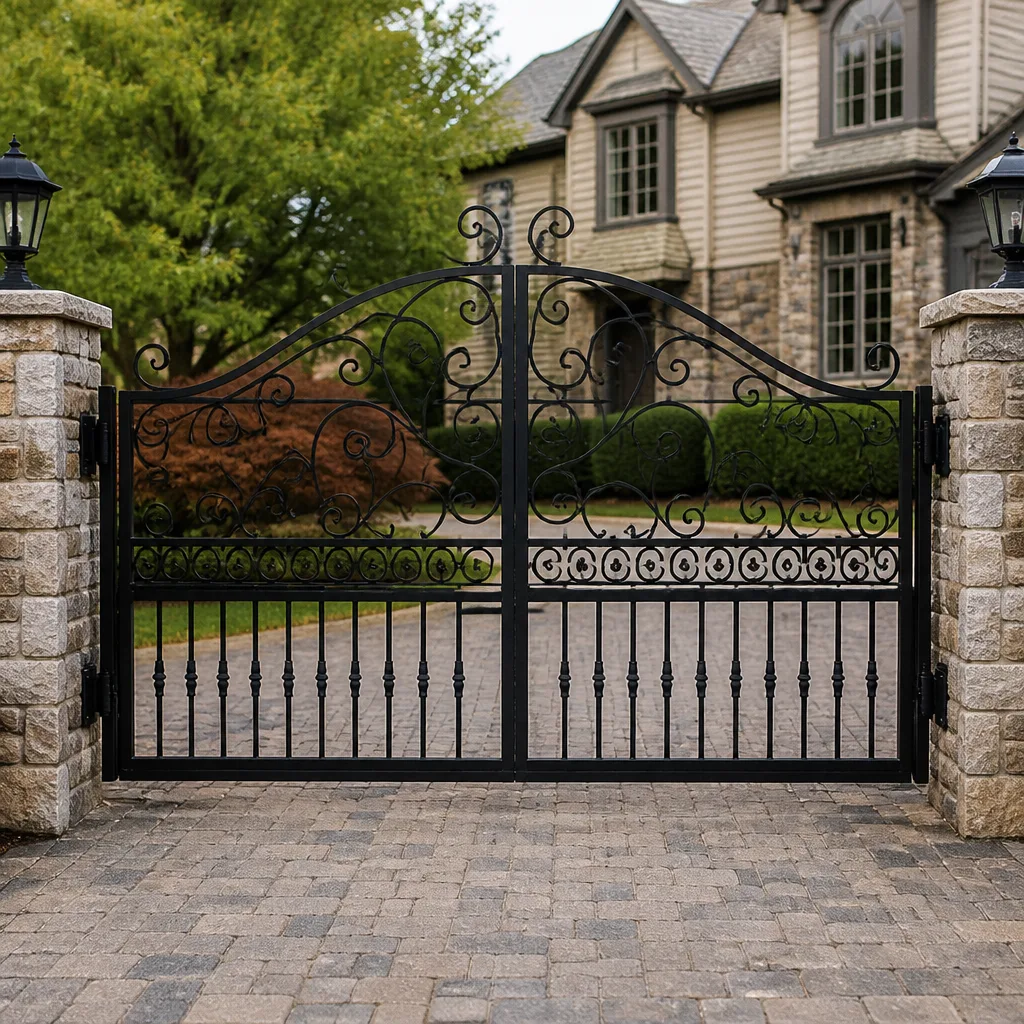 Wrought iron
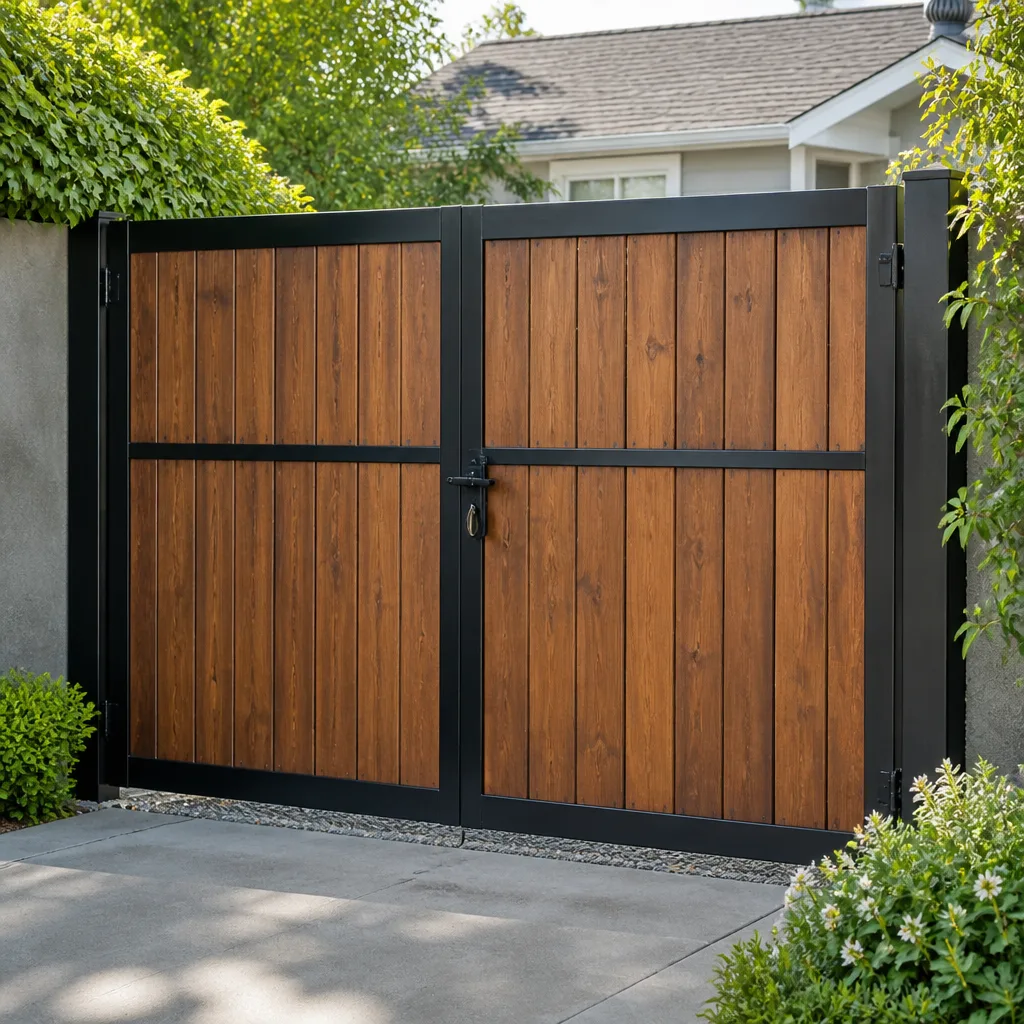 Wood & steel frame
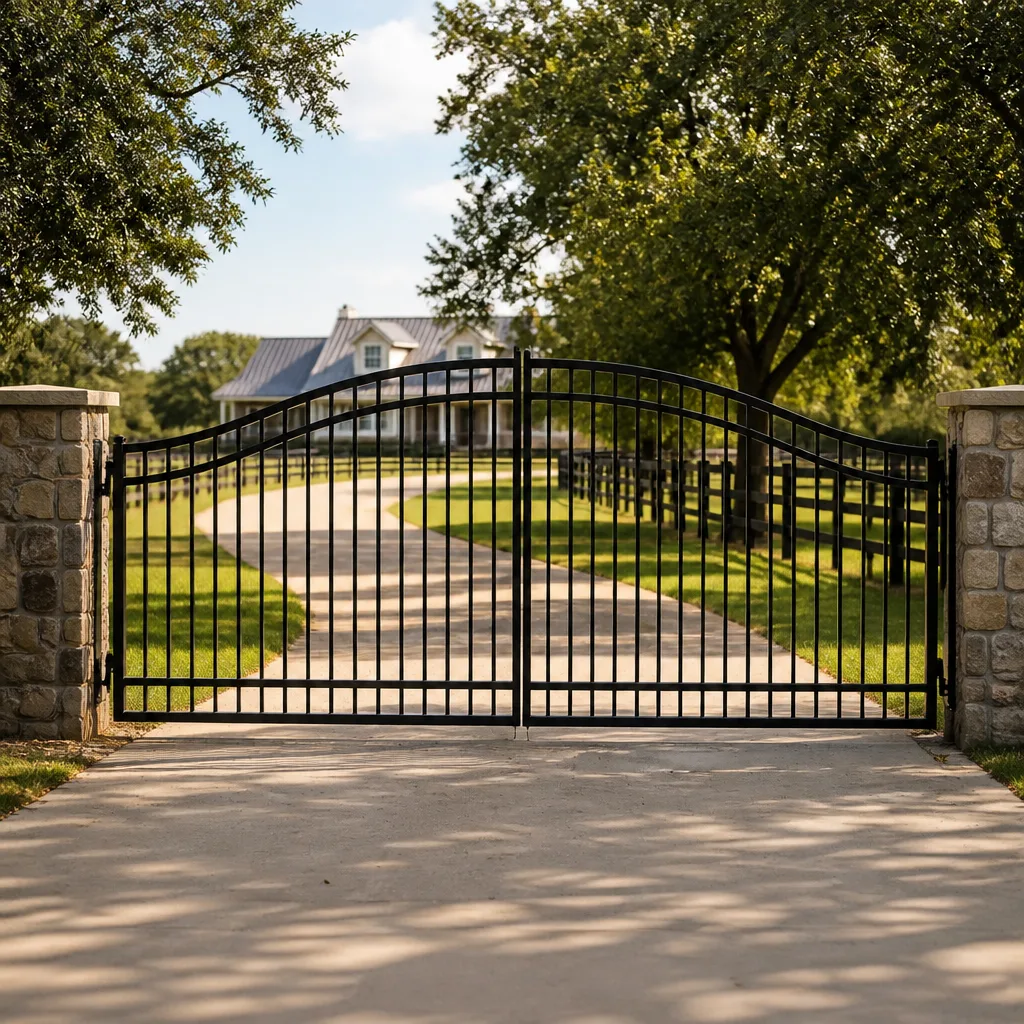 Farm & ranch
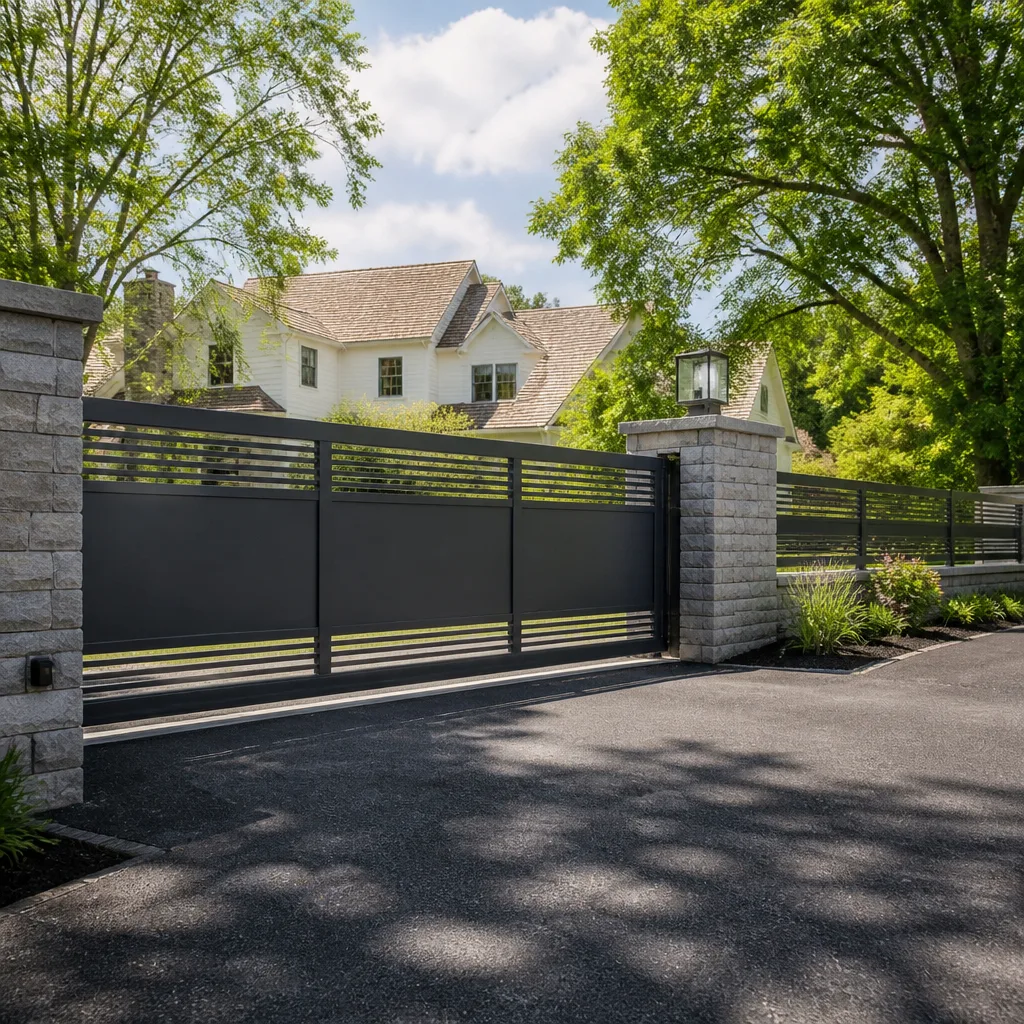 Sliding driveway gates
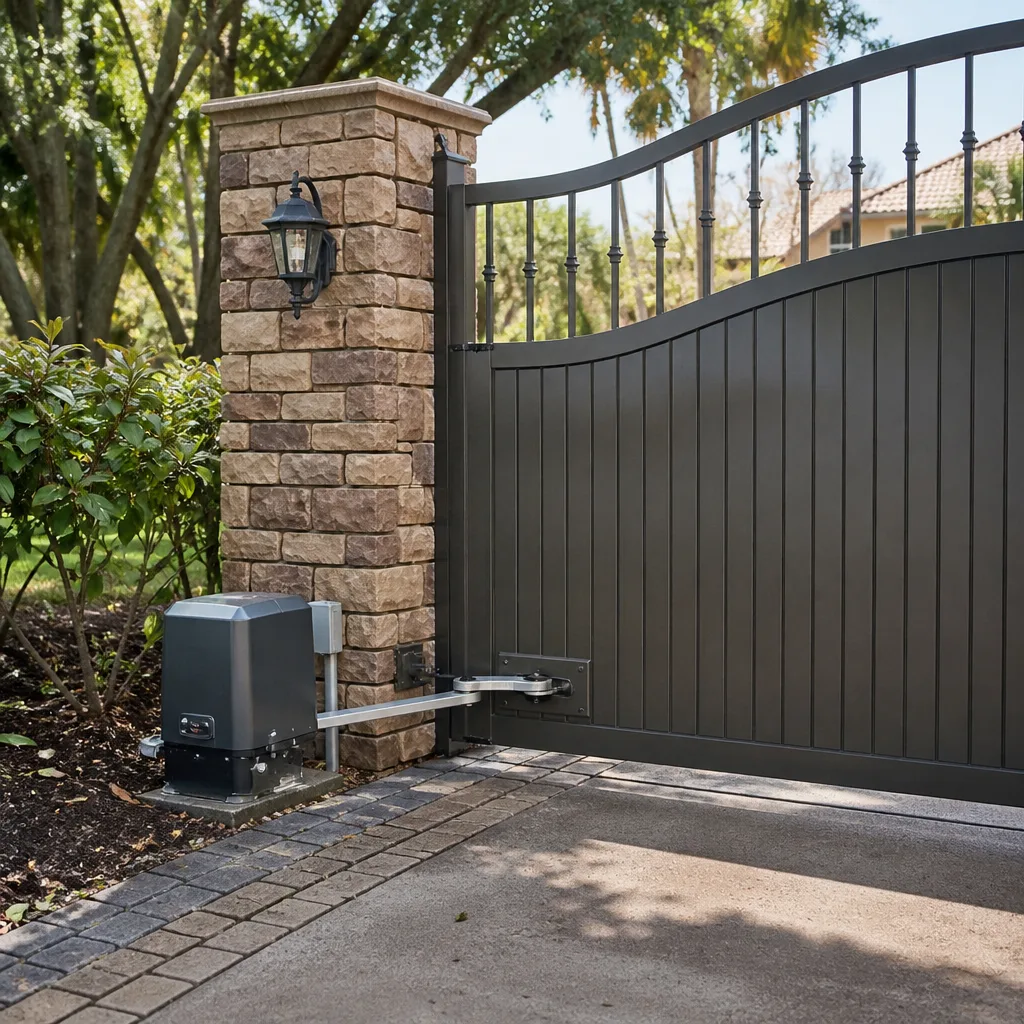 LiftMaster operators
Free on-site gate assessment - hinges, posts, and your LiftMaster or Nice gate operator checked before anything is quoted
The assessment is free and the quote is the invoice.
Get your free estimateSeasonal Gate Repair Care for Chesapeake: Year-Round Homeowner’s Guide
Most homeowners in Chesapeake treat gate care as a uniform chore: a little lubricant in spring, maybe a look at the hinges once a year. That’s the wrong model. Gate systems here don’t wear out evenly, and the calendar isn’t neutral. The two windows where gate failures actually cluster are the late-summer storm stretch and the January-February freeze-thaw cycle, and both of them can be survived with slower, earlier, cheaper work. This guide assigns specific tasks to specific months based on how Hampton Roads weather really behaves, so you can stop fixing what breaks and start preventing it.
Quick Answer
Chesapeake gate care is seasonal, not year-round, because the two real damage windows are late summer storms and the January-February freeze-thaw cycle in the region’s clay-heavy soil. Prep in June, inspect after every significant storm before re-engaging power, watch footings and posts through winter, and re-commission in spring. Fall is the right time to book non-urgent repairs and upgrades. If you’d rather have an experienced technician do the checks, our team at Gate Repair Chesapeake works on manual and automated gates across the city. Call (833) 323-1302 for a free estimate.
Styles & brands we work with
- Wrought iron
- Wood & steel frame
- Farm & ranch
- Sliding driveway gates
- LiftMaster operators
Table of Contents
- Why Gate Care in Chesapeake Isn’t a Year-Round Task
- June Prep: Getting Ready Before Storm Season
- Post-Storm Inspection Protocol for Automated Gates
- Winter Care: Freeze-Thaw, Footings, and Clay Soil
- Spring Re-Commissioning After Winter
- Fall: The Best Window for Non-Urgent Work
- Brand-by-Brand Notes for Chesapeake Systems
- The Chesapeake Gate Care Calendar at a Glance
Why Gate Care in Chesapeake Isn’t a Year-Round Task
A gate doesn’t fail on a schedule. It fails when the conditions around it change faster than the hardware can absorb. In Chesapeake, those conditions shift hard in identifiable patterns, which means the useful question isn’t “am I maintaining enough?” but “am I maintaining at the right time?”
Two windows matter more than the rest of the year combined. The first is late summer, when the region’s storm activity peaks. The second is the January-February freeze-thaw cycle, when Chesapeake’s clay-heavy soil expands and contracts repeatedly, and gate post footings start to move. Between those two windows, the rest of the year is relatively quiet for gate failures, which is exactly why spring and fall are the right times for the work that takes planning.
Here’s what we’ve learned from years of service calls in the city: most failures people assume were caused by wind were actually caused by power. When storms knock the grid out and then bring it back on, the restoration itself sends a voltage spike through the operator’s control board. Boards on BFT, Linear, and Viking units handle that differently, but none of them enjoy it. That’s why the post-storm protocol below starts with power, not with visual inspection.
There’s also a healthy skepticism worth holding about “year-round maintenance.” A homeowner who lubes the hinges every month but never tests the battery backup has done almost nothing for gate reliability. Seasonal care means doing the right thing at the right moment, and mostly ignoring the calendar in between.
- Late summer: storm and surge window
- January-February: freeze-thaw window, footing movement
- Spring and fall: the correct times for non-urgent work
- Rest of the year: light checks only
June Prep: Getting Ready Before Storm Season
June is the last comfortable window to do the work that pays off in late summer. The goal of a June prep is simple: make sure your automated gate can take a storm without losing its brain. The three jobs that matter are surge protection, battery backup load testing, and manual release lubrication.
- Audit your surge protection. Every automated gate should sit behind a surge suppressor rated for the operator’s power draw. If there isn’t one, or if it’s an old strip-style unit, upgrading it is one of the cheapest protections you’ll ever buy.
- Load-test the battery backup. Don’t just check that the battery shows a green light. Disconnect incoming power at a safe point and confirm the gate will open fully once on battery, then reconnect. If your operator is a Ghost Controls or Mighty Mule residential unit, the battery is often a standard sealed lead-acid type and may be a simple swap if it fails.
- Lubricate the manual release. The manual release is the one component you’ll need most in an emergency and think about least. A seized release cable or handle during a power outage turns a minor inconvenience into a real problem.
- Walk the hinge line and weld points. Loose hinges and hairline cracks in the frame get worse under storm cycling. Catch them in June, not September.
- Check the safety edges and sensors. Cones, photo-eyes, and edge sensors should stop the gate on demand. If a sensor is intermittent now, it’ll be dead when the storms roll through.
If any of that feels beyond your comfort zone, especially the battery load test on a commercial operator, that’s what we’re here for. A June check on electric gate repair items costs far less than an emergency board replacement in August.
Post-Storm Inspection Protocol for Automated Gates
After any significant weather event, don’t just flip the breaker back on and walk away. The two most expensive mistakes homeowners make after a Chesapeake storm are re-energizing a gate whose board has already taken water, and assuming a gate that opens is a gate that’s safe. The sequence matters.
- Disconnect incoming power at the breaker before touching anything.
- Inspect the control box for water intrusion, scorch marks, or loose terminals.
- Check the manual release – operate the gate by hand through its full travel, listening for scraping or resistance.
- Inspect the footing and posts for tilt, cracking around the base, or visible movement.
- Test the safety edges and sensors by interrupting the beam or the edge with a test object before re-energizing.
- Reconnect power and cycle the gate open and closed three times, watching for hesitation.
If the control board was offline during the storm and the gate won’t respond after restoration, there’s a good chance the board absorbed a surge. In our experience, this is one of the most common failures we see after power restoration in Chesapeake, and it affects every brand we work on, from BFT commercial operators to Ghost Controls residential swing gates. A control board replacement is a routine job; a fire is not.
If your gate is on a property managed by an HOA or a commercial facility, run the same protocol before re-opening vehicle access. The one fixed rule: don’t re-engage power on a board that was submerged or exposed to standing water.
Winter Care: Freeze-Thaw, Footings, and Clay Soil
Chesapeake’s soil holds a lot of clay, and clay moves when it freezes and thaws. Through January and February, the ground under your gate post footings can expand and contract multiple times in a single week. The problem isn’t a single hard freeze; it’s the repeated cycling. That’s what pushes posts up, tilts them, and opens hairline cracks in the welds above them.
What early signs of heave should you look for? A gate that used to swing freely but now drags. A post that tilts a few degrees. Cracks in the concrete collar around the base. Gaps where the ground used to meet the post. A gate that no longer latches without lifting. Any of these is worth a closer look before the damage compounds.
- Walk the gate base once a week during freeze-thaw months and look at the collar and surrounding soil.
- Operate the gate by hand monthly to feel for new resistance.
- Watch the alignment between the two leaves of a double gate; misalignment often signals footing movement before anything else.
- Keep the controller box sealed and free of standing water.
- Avoid driving heavy vehicles closer to the gate than usual during freeze-thaw weeks; the soil is at its weakest.
If you catch heave early, an experienced technician can often correct it with footing work. If you wait through the season, you may be looking at a full post replacement and a re-pour, which is a bigger job. For a deeper look at the specific repair work we handle on footing and post issues, our gate repair page covers it.
Spring Re-Commissioning After Winter
Spring is when a gate that survived the winter gets its real assessment. The freeze-thaw cycle can create problems that don’t show up until the ground stabilizes, and the spring inspection is where you find them before they become summer failures. Re-commissioning means checking four things in order: corrosion, weld fatigue, soil shift, and full-system function.
- Corrosion check. Look at hinges, welds, and the base of every post. Any rust that’s actively flaking deserves attention before summer.
- Weld fatigue check. Inspect the frame at every joint. A hairline crack in a gate frame is a structural warning, not a cosmetic issue.
- Soil shift check. Check that the posts are still plumb and the gate still clears the ground evenly across its full width. Slight shifts are normal; large ones aren’t.
- Full-system function test. Cycle the gate, test the safety edges, verify the manual release, and re-check the battery backup load.
- Clean and lubricate. Hinges, rollers, and the manual release cable all need fresh lubricant for the storm season ahead.
Spring is also the right time to book the upgrades you’ll be glad you did in August. A surge suppressor upgrade, a fresh battery, or a control board replacement on a system that’s been unreliable for months all make sense now, before the storms return.
Fall: The Best Window for Non-Urgent Work
Autumn is underrated in gate care. The storms have mostly passed, the ground hasn’t started its freeze-thaw cycling yet, and the weather is good enough for outdoor work. That combination makes September and October in Chesapeake the single best window to schedule anything that isn’t an emergency.
What qualifies as non-urgent work that should go in the fall? Operator replacements where the current unit still limps along. Control board swaps that you’ve been putting off because the gate still mostly opens. New gate installations where you want the finished product ready before winter. Keypad or intercom upgrades. Access control changes on a commercial property. Anything that involves ordering parts, scheduling a site visit, and doing the job carefully rather than responding to a failure.
We say this plainly to homeowners and property managers we work with: if your gate is on borrowed time, fall is when you want to know. A repair scheduled in October takes the pressure off December and January, when the ground is frozen and every emergency call is urgent. On installations and any work that requires a measure and a written estimate, we don’t do same-day; we schedule and quote the job properly, which is exactly why fall is the right time to start the conversation.
Fall is also the best time to plan a new gate. If you’ve been thinking about replacing an older manual gate with a motorized one, an on-site estimate in the fall gets you a written price and a construction window before the ground hardens. We handle Chesapeake installations from measure through commissioning, so the same team that would repair your current gate can design and install its replacement.
Brand-by-Brand Notes for Chesapeake Systems
Different gate systems fail in different ways, and knowing which brand you have helps you watch the right components. We work on nine brands across residential and light-commercial gates, and the seasonal patterns below come from real service work on those systems in this climate.
- BFT: Commercial-grade operators common on HOA and multi-unit entrances. Control boards are robust but sensitive to surge events; prioritize surge protection in the June prep.
- Linear: Widespread in residential slide gates. Photo-eye alignment is the most common post-storm issue we see.
- Viking: Reliable residential operators; watch the battery backup and manual release most closely through the winter.
- Ghost Controls: Popular DIY-install residential swing systems. Battery type and manual release are the two components most affected by weather cycling.
The rest of the brands we service – LiftMaster, FAAC, DoorKing, Elite, and Mighty Mule – follow the same seasonal logic. Our technicians have up to 13 years of experience diagnosing these systems by behavior, not guesswork. If your gate is behaving oddly and you can’t tell which component is at fault, that’s a call worth making.
The Chesapeake Gate Care Calendar at a Glance
- March-May (spring): Full re-commissioning after winter. Corrosion, weld, and soil-shift inspection. Lubricate hinges, rollers, and manual release.
- June: Storm season prep. Surge protection audit, battery backup load test, safety-edge test.
- July-August (storm season): Post-storm protocol after every significant event. Power-first inspection before re-energizing.
- September-October (fall): Best window for non-urgent repairs, upgrades, and new installs. Free on-site estimate and written price.
- November: Final pre-winter check. Clean and lubricate, verify battery, inspect footings before the ground hardens.
- December: Light checks only. Watch for standing water around the control box.
- January-February: Weekly footing and post walk during freeze-thaw. Address heave early.
Common Mistakes to Avoid
- Treating gate care as a uniform year-round task. A homeowner who lubes hinges in February but skipped the June surge audit has done the easy job and missed the important one. Match the work to the season.
- Re-energizing a wet control box. After a Chesapeake storm, let the board dry and get it inspected before you flip the breaker. A surge into a wet board is how a repair becomes a replacement.
- Assuming a gate that opens is a safe gate. Cycle the gate, test the safety edges, and verify the manual release. A gate that opens but won’t stop for a pedestrian is a liability.
- Ignoring small footing movement. A few degrees of tilt in January becomes a full post replacement by May. Chesapeake’s clay soil makes this pattern predictable.
- Skipping the battery load test. The green light on the operator doesn’t mean the battery will open the gate during an outage. Test it in June, not during the storm.
- Booking non-urgent work in the wrong season. Scheduling a new operator installation in January means waiting on the ground and paying for emergency timing. Book it in the fall.
- Guessing at the brand and skipping diagnosis. Each system fails in its own way. A technician who knows your brand finds the problem faster than one who doesn’t.
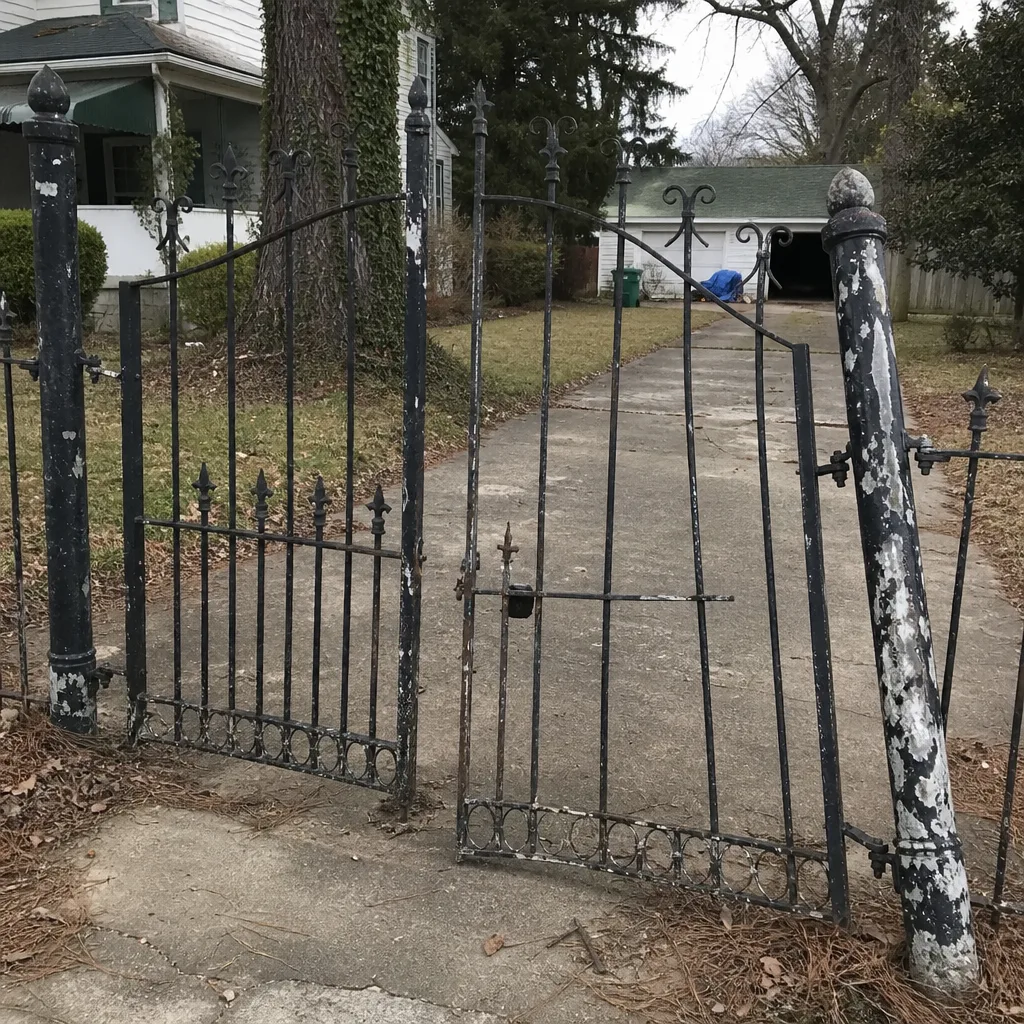
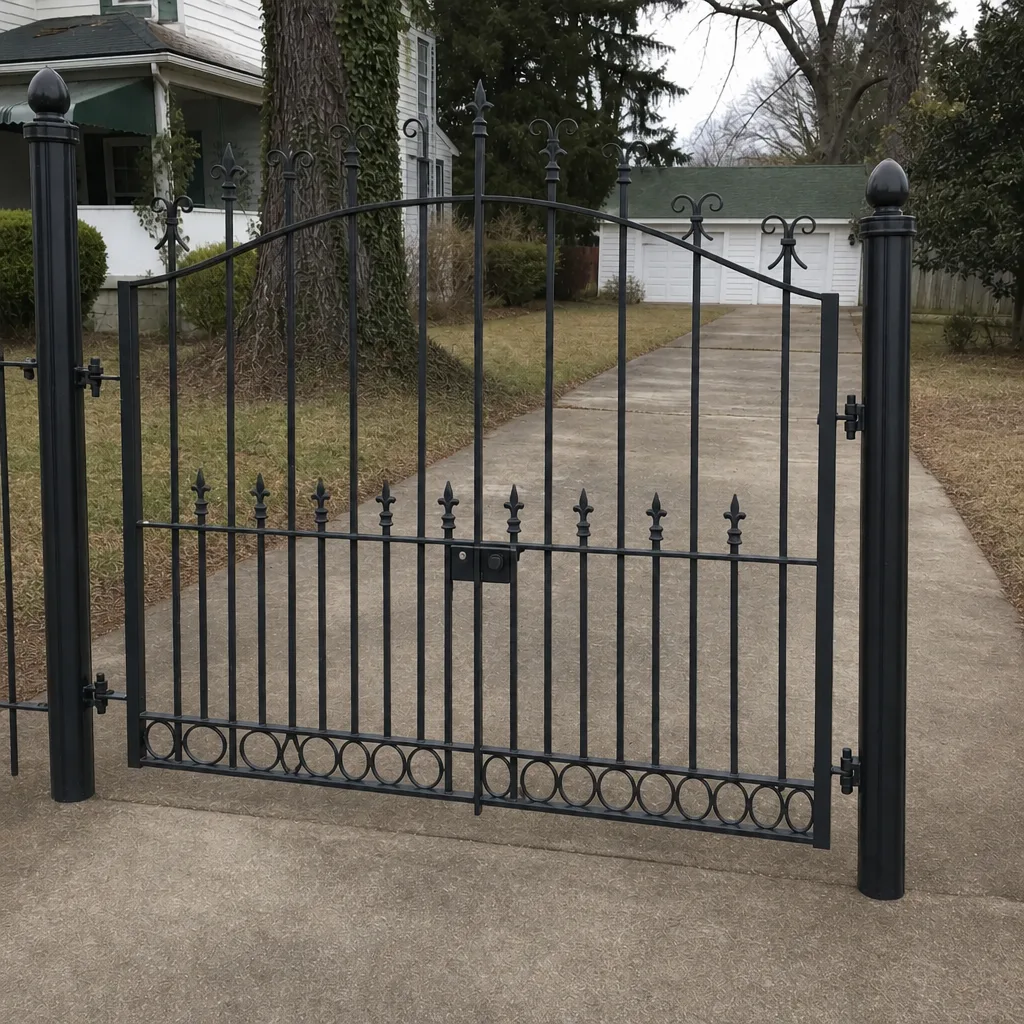
See the difference
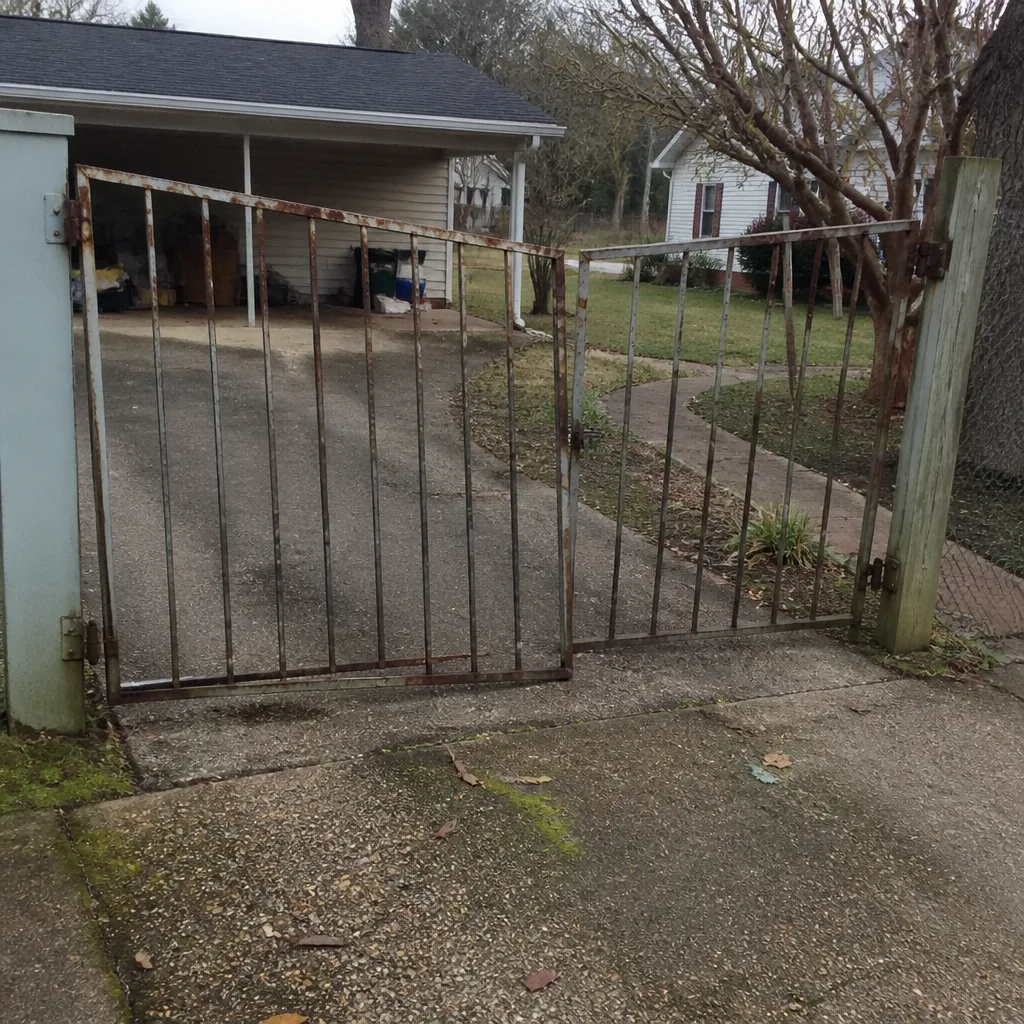 Before
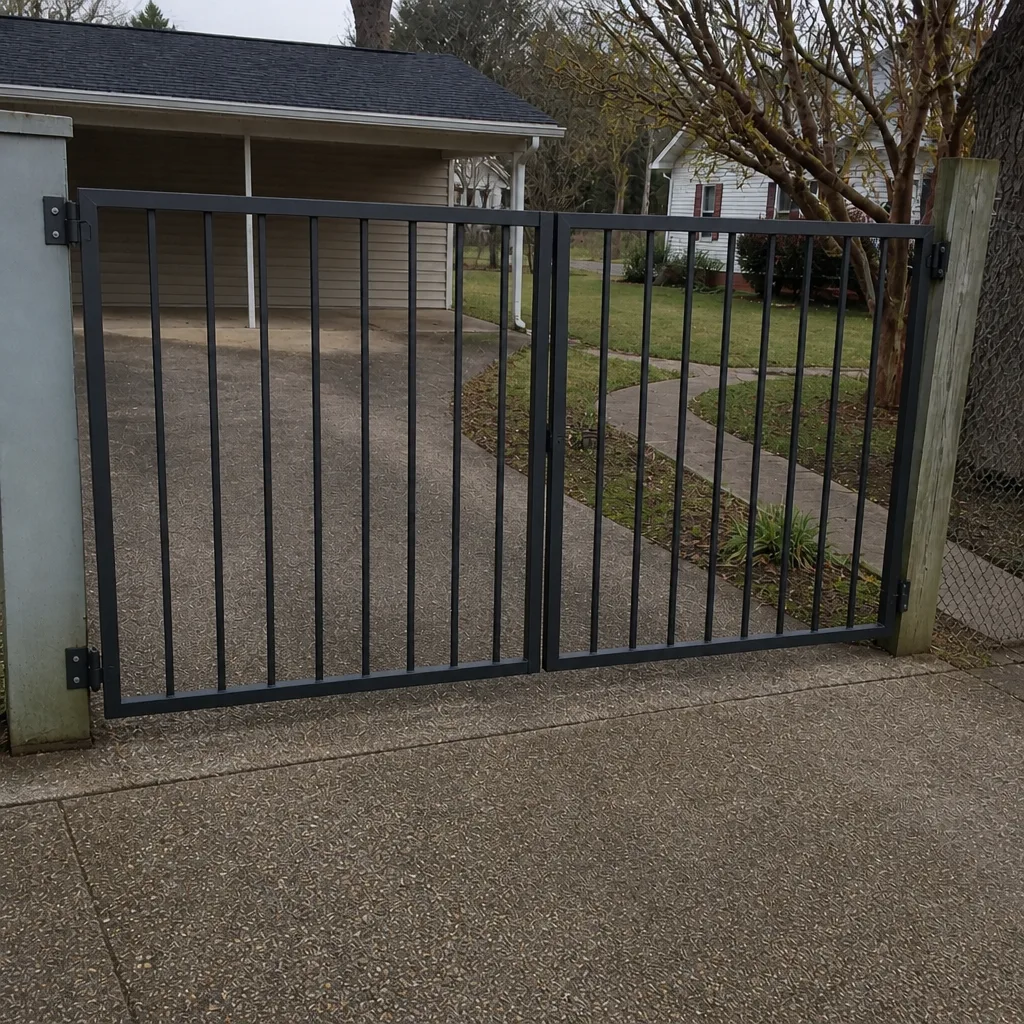 After
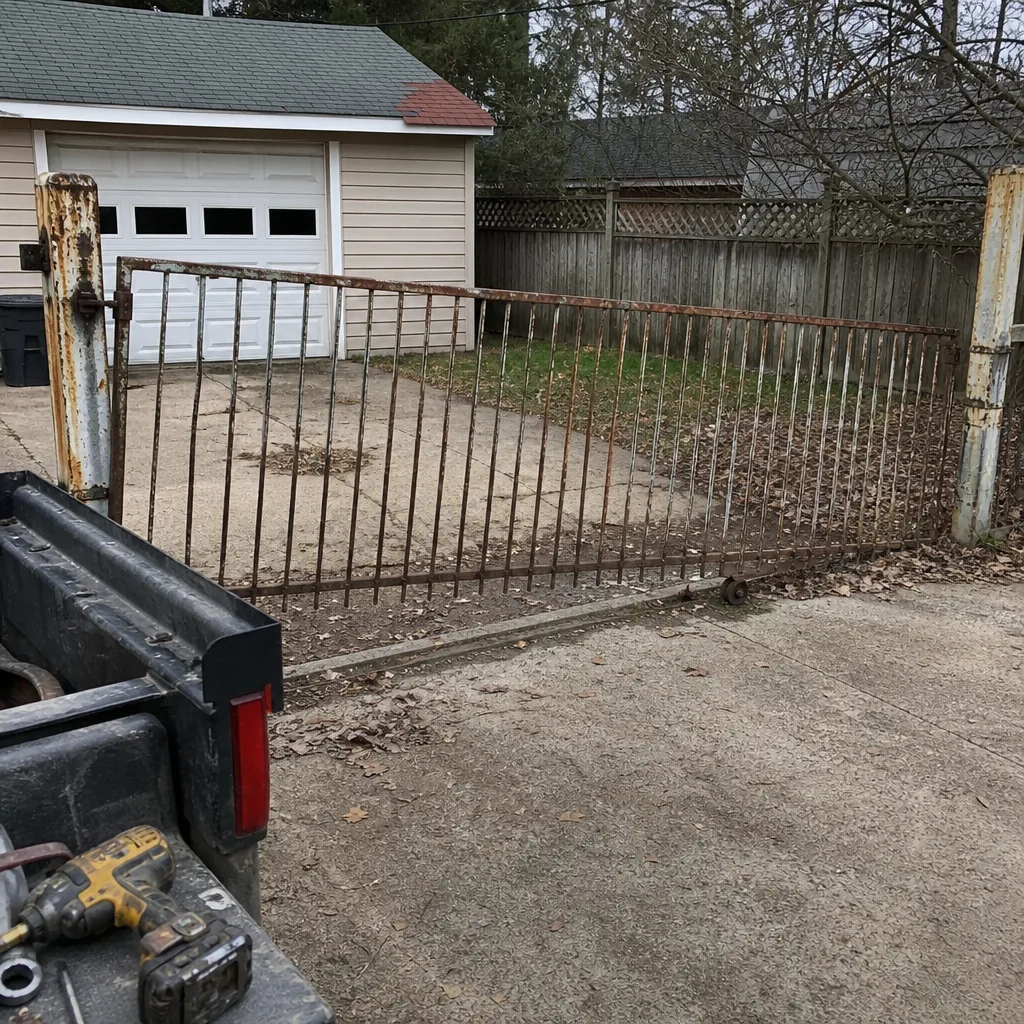 Before
 After
 Before
 After
When to Call a Professional
Call a professional if your gate has shifted at the footing, if the control board shows signs of water or surge damage, if the safety edges won’t stop the gate on demand, if the manual release has seized, or if you’ve had a power restoration event and the gate no longer responds. Call before re-energizing any operator that took on water. Call before attempting footing correction on a commercial gate. Call if you’ve tested the battery and it won’t carry the gate for a full open. In each of these cases, the work involves either electrical systems or structural loads where guessing is expensive.
Gate Repair Chesapeake offers free estimates in Chesapeake. Call (833) 323-1302. We answer 24/7. Fast dispatch from 7am to 7pm, Sunday through Friday. Same-day service is available for many repair calls.
Frequently Asked Questions
Fall (September-October) is the best window for non-urgent repairs and upgrades, because storm season has passed and the ground hasn’t started freeze-thaw cycling. Emergency repairs happen whenever they happen; call us and we’ll respond. Call (833) 323-1302 for an exact quote on scheduled work – estimates are free.
Most post-storm board failures come from voltage spikes when power is restored, not from wind. The restoration event sends a surge through the operator, and the board takes it. Surge protection ahead of June reduces the risk substantially. If your board stopped responding after an outage, call (833) 323-1302 and we’ll diagnose it.
Yes, on most residential operators you can do a simple load test: disconnect incoming power at a safe point and confirm the gate opens fully once on battery. If your system is commercial-grade or you’re not comfortable with the disconnection, leave it to a technician. Call (833) 323-1302 to schedule a free estimate.
The clay-heavy soil under many Chesapeake properties expands and contracts repeatedly through January and February. Each cycle pushes the post footing slightly, and the cumulative movement tilts the post and opens cracks. Early signs include a gate that drags, a post that tilts, or cracks in the concrete collar. Call (833) 323-1302 if you see them.
Turn the power off first, then inspect the control box for water or scorch marks, operate the gate by hand through its full travel, check the footing and posts, and test the safety edges. Only then re-energize and cycle the gate. If anything looks wrong, call (833) 323-1302 before reconnecting.
In almost every case, yes. We service nine brands including LiftMaster, FAAC, BFT, Linear, Viking, Ghost Controls, DoorKing, Elite, and Mighty Mule, across residential and light-commercial systems. Call (833) 323-1302 and tell us the brand and what it’s doing – we’ll tell you what we can do, and whether repair or replace makes more sense.
The Bottom Line
Gate care in Chesapeake isn’t a uniform task; it’s a schedule. June prep protects you from the storm-season surge failures. Post-storm inspection, done power-first, is how you avoid a board replacement when a simple dry-out would have done. Winter footing walks are cheaper than spring post replacements. Fall is when you schedule anything that isn’t an emergency, because fall is when scheduling actually works. Skip the marketing-strip maintenance and focus on the two windows that matter, and your gate will last longer with less money spent.
Written by the team at Gate Repair Chesapeake.