
Last updated November 15, 2026
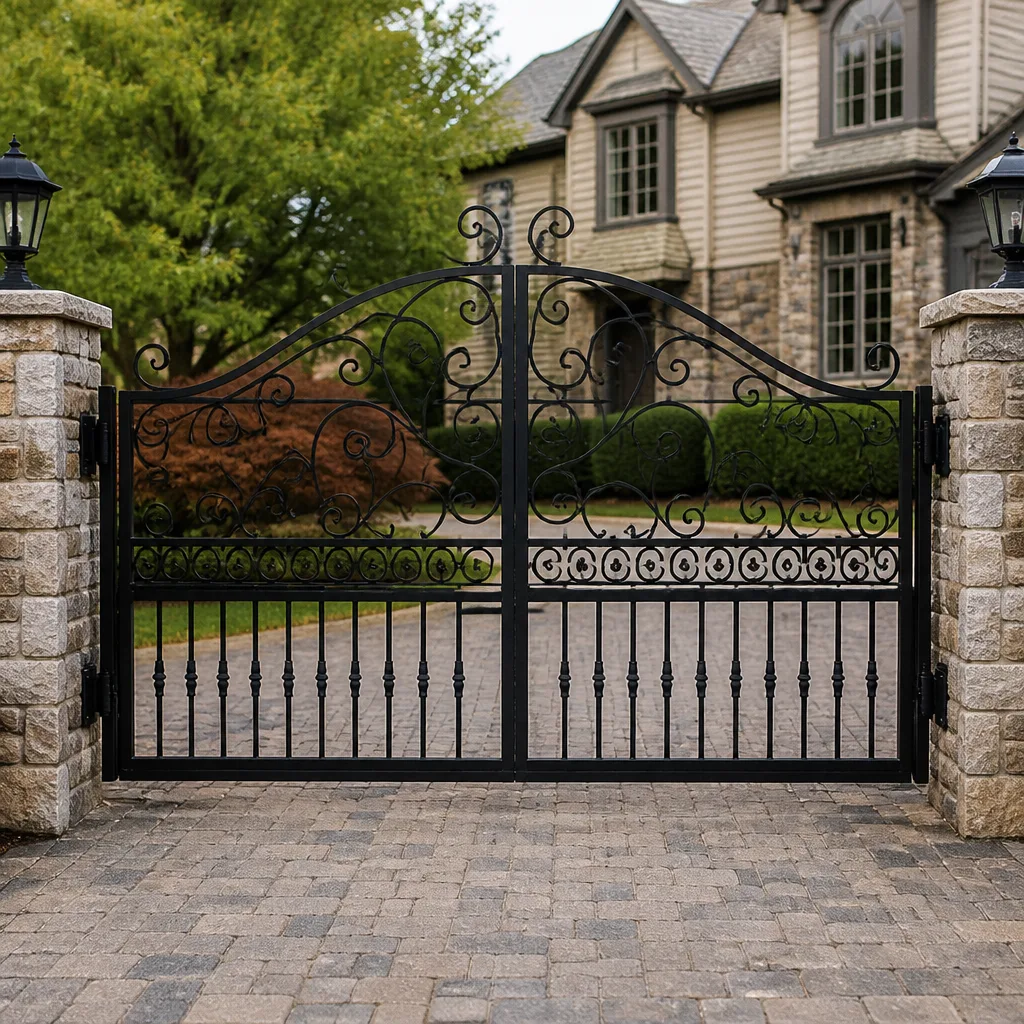 Wrought iron
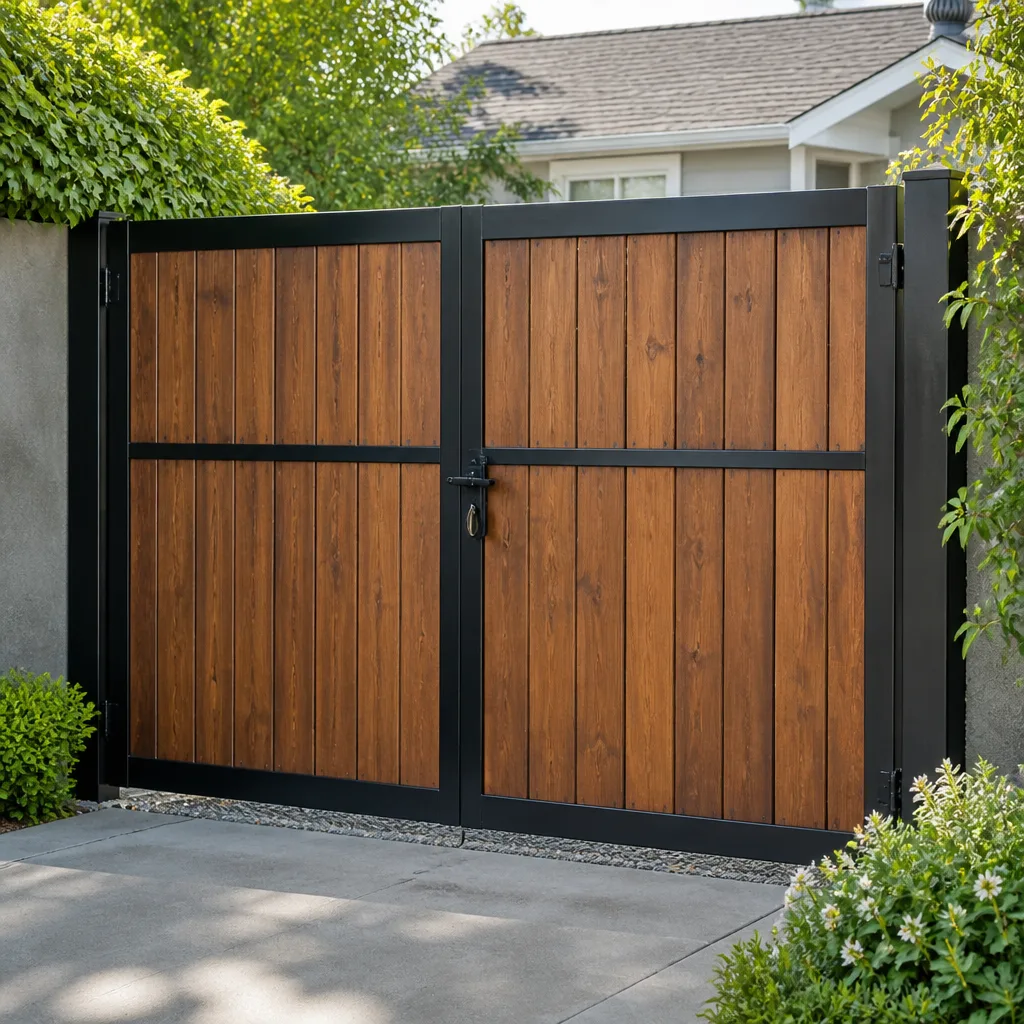 Wood & steel frame
 Farm & ranch
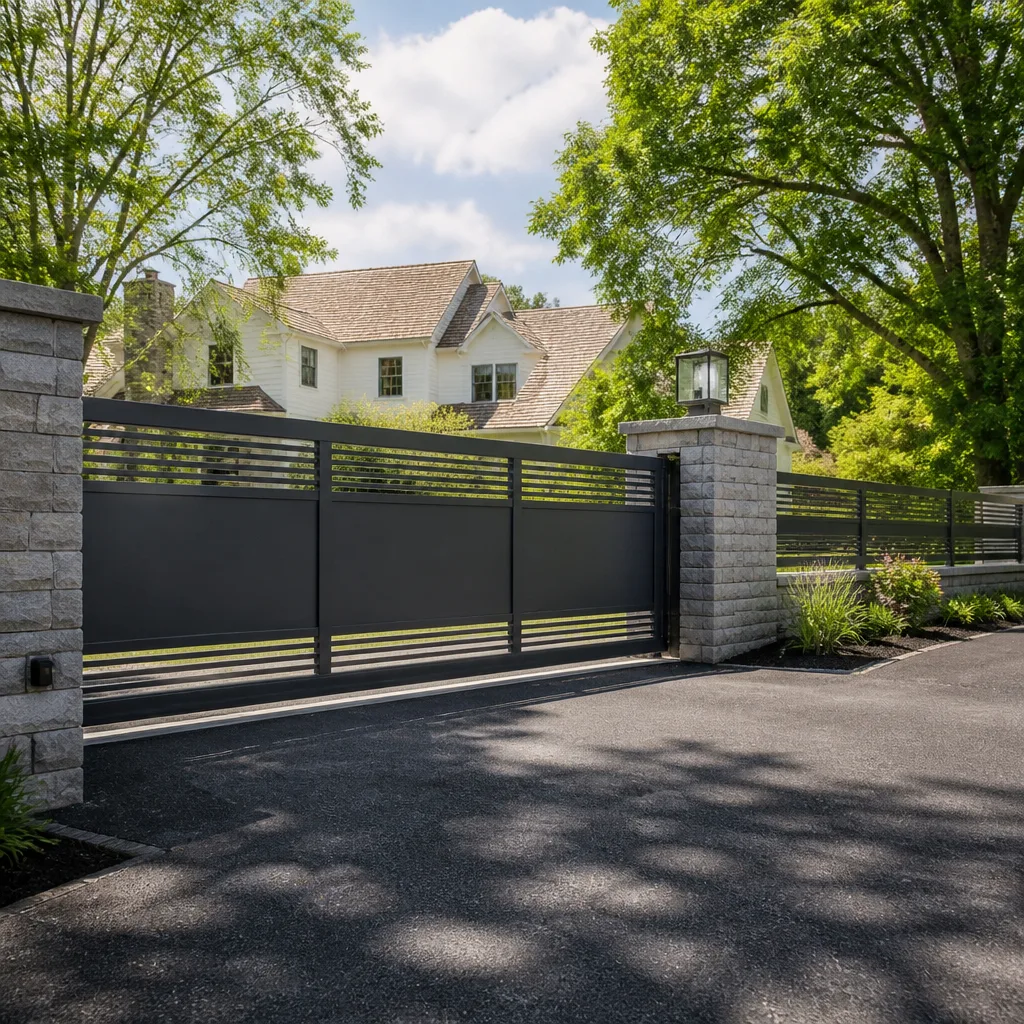 Sliding driveway gates
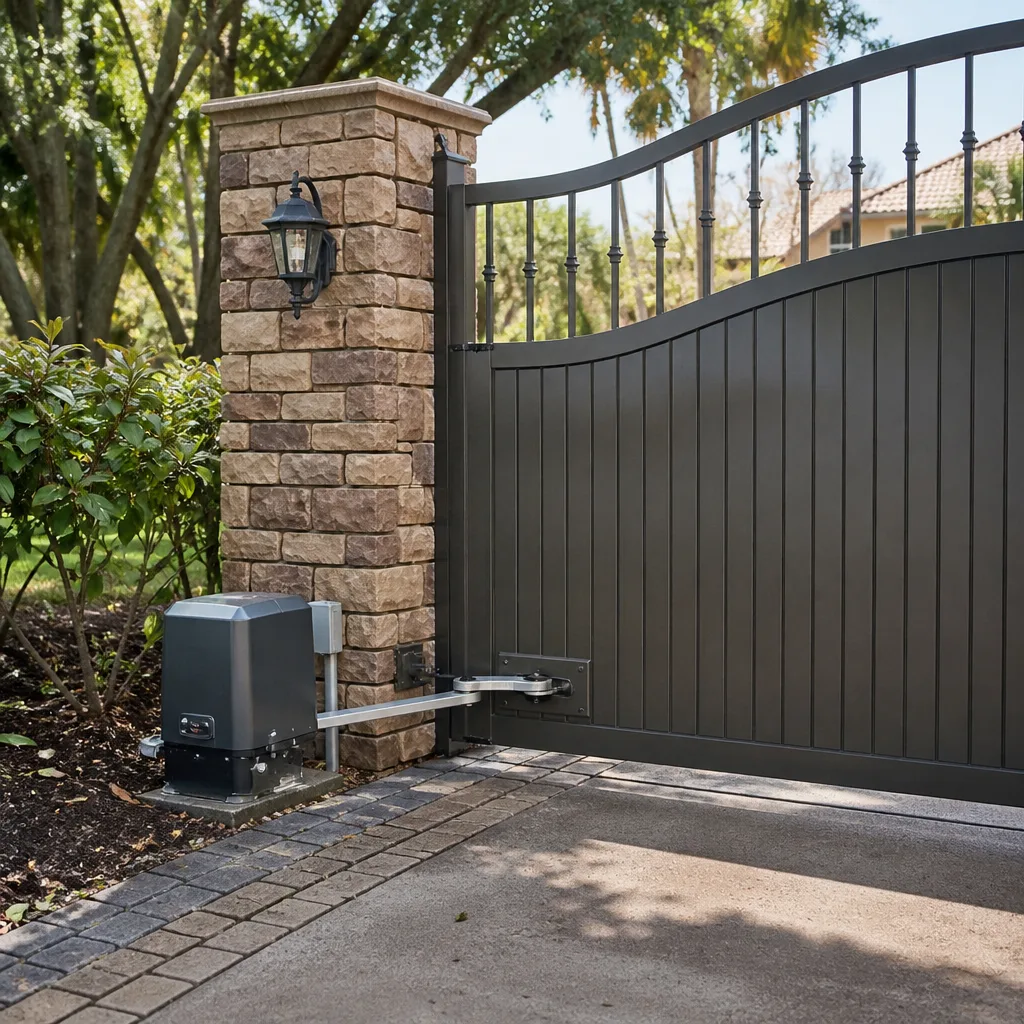 LiftMaster operators
Free on-site gate assessment - hinges, posts, and your LiftMaster or Nice gate operator checked before anything is quoted
The assessment is free and the quote is the invoice.
Get your free estimateGate Repair Warning Signs: A Chesapeake Homeowner’s Reference Guide
A gate that hesitates for two seconds before it moves isn’t “just slow.” That pause is an operator working at the edge of its torque limit, and there’s usually a mechanical drag somewhere in the system that will eventually burn out the motor entirely. The most expensive gate repairs we see almost always had visible warning signs 60 to 90 days before the failure. Homeowners just didn’t know what they were looking at. This guide translates the specific sounds, movements, and behaviors you can actually observe into their likely root causes, so you can intervene in Chesapeake before a nuisance turns into a full system replacement.
Quick Answer
The main gate repair warning signs are a gate that hesitates before moving, inconsistent travel, grinding or popping sounds, a remote that only works up close, phantom activations, and posts or hinges that shift. Each one points to a specific mechanical or electrical problem, and catching it early usually means a repair instead of a replacement. In Chesapeake’s humid summers, control board and sensor faults tend to show up first as small electrical quirks before the gate fails outright.
Styles & brands we work with
- Wrought iron
- Wood & steel frame
- Farm & ranch
- Sliding driveway gates
- LiftMaster operators
Table of Contents
- Symptom-to-Cause Reference Table
- Cosmetic Rust vs. Structural Corrosion
- Electrical Warning Signs: Error Lights, Beeps, and Phantom Activations
- Post and Hinge Warning Signs That Predict Gate Sag
- How Chesapeake Humidity Affects Control Boards and Remotes
- A Monthly Inspection Walkthrough
- Repair or Replace? How to Decide
- Common Mistakes to Avoid
- When to Call a Professional
- Frequently Asked Questions
Symptom-to-Cause Reference Table
Your gate is telling you what’s wrong. You just need the decoder. Below is the reference we use in the field: the observable symptom on one side, the most likely mechanical or electrical source on the other. Use it to understand what you’re dealing with before you call anyone, and to describe the problem clearly when you do.
- Gate hesitates before moving: operator working against mechanical drag, most often a binding hinge, a misaligned track, or a sagging post.
- Inconsistent travel (stops at different points each time): limit switch drift, a failing control board, or a battery losing capacity.
- Grinding or scraping sound: worn hinge pins, metal-on-metal contact, or debris in a slide track.
- Popping or snapping: loose hardware, a shifting post, or a worn arm bracket.
- Remote only works close to the gate: failing receiver, weak battery in the remote, or an antenna problem.
- Gate opens on its own (phantom activation): moisture on a control board, a stuck keypad button, or a mis-set safety sensor.
- Gate reverses before closing fully: safety sensor obstruction or a photo-eye knocked out of alignment.
- Continuous beeping: operator error code or a safety edge fault.
- Motor hums but gate doesn’t move: mechanical binding or a failed gear, not necessarily the motor itself.
- Visible wobble when gate is fully open: post settling or hinge wear signaling an upcoming sag.
Notice that a lot of electrical-looking failures have mechanical causes, and the reverse. That’s why we diagnose by system knowledge instead of guesswork. If your gate’s symptom matches the list, our gate repair team can work on the brand you already have.
Cosmetic Rust vs. Structural Corrosion
Not all rust is equal, and the difference determines how urgent the repair is. Cosmetic surface rust sits on the paint film of a steel gate and is normal in a humid climate. Structural corrosion eats into the metal itself and weakens the member that holds the gate together. One is a maintenance item. The other is a safety issue.
Here’s how to tell them apart by eye:
- Check the depth. Surface rust wipes off or sands back to solid metal with a light pass. Structural rust pits the metal and can be pressed into with a screwdriver tip.
- Look at the location. Rust at the bottom rail or where a post meets the ground is more serious than rust on a flat panel higher up.
- Check the weld seams. Seam rust that runs along a weld joint is a structural signal, because the weld is the weakest point on a metal gate.
- Watch for flaking. Paint lifting and flaking from underneath means rust is growing behind the coating, not just sitting on top.
- Test the swing. A gate that’s structurally sound but rusty still swings smoothly. Rust that’s eating into the frame will often drag or bind.
In Chesapeake, the long summer humidity accelerates corrosion, which is why we advise checking the bottom rail and post bases every few months. If the rust pits or flakes, treat it as structural until someone qualified says otherwise. For a full diagnosis of what’s happening at the frame level, Gate Repair Chesapeake can assess it on-site.
Electrical Warning Signs: Error Lights, Beeps, and Phantom Activations
Automated systems give you more warning signs than manual gates, but most homeowners ignore them until the gate stops working. Electric gate failure is usually preceded by weeks of small electrical quirks. Treat those quirks as a countdown, not a nuisance.
Specific signs to watch for on an automated operator:
- Error codes or flashing LEDs on the control board. Every operator brand uses a code system; a light that flashes in a pattern after a cycle is the board telling you something is out of spec.
- Inconsistent travel. If the gate stops at a different point each cycle, the limit settings are drifting or the board is losing its reference.
- Slow, strained opening. The motor draws more current as it fights drag, and that’s what eventually kills it.
- Continuous beeping after a cycle. Usually a safety sensor fault on systems from brands like Linear or Viking, and a common issue on gates we’re called out to in Chesapeake.
- Phantom activations. The gate opens for no reason, often after rain or in high humidity, which points to moisture in the control box.
- Remote range loss. If you have to be almost at the gate, the receiver or antenna is degrading.
These are the exact issues our electric gate repair service targets. We’re equipped for motors, control boards, keypads, and safety sensors on brands from Mighty Mule and Ghost Controls up through BFT and DoorKing. It’s a dedicated service line for us, not an add-on. A board that’s throwing intermittent errors is far cheaper to fix now than a burned-out motor is later.
Post and Hinge Warning Signs That Predict Gate Sag
A sagging gate doesn’t sag overnight. It moves slowly, over weeks, and usually starts with the posts and hinges long before the gate rubs the ground. This is the most predictable and most overlooked failure in the whole system. If you catch it at the wobble stage, you’re often looking at hinge hardware or a post footing adjustment instead of a full gate and post rebuild.
The signs to watch for, in the order they usually appear:
- Wobble at full open or full close. The gate rocks more than it used to when it hits its stop. This is the earliest sign of post movement.
- Ground clearance shrinking. Mark the gap under the gate with a pencil dot on the post next to it. Check it monthly. If the gap shrinks, the gate is dropping.
- Hinge pin looseness. Grab the gate near the hinge and try to lift and shake it. Any movement at the hinge is wear that will grow.
- Rust streaks or cracks at the post base. A hairline crack where a metal post enters concrete means movement at the foundation under load.
- Misaligned latch or catch. If you have to lift the gate to latch it, the gate has already shifted significantly.
- Track wear on a slide gate. A slide gate that starts riding the track edge is one that’s no longer square to the track.
Any of these on a Chesapeake property is worth a look before rain season adds waterlogged soil to the problem. Checking monthly is quick, and it’s the single highest-value habit in this guide.
How Chesapeake Humidity Affects Control Boards and Remotes
Chesapeake’s humid summers are hard on gate electronics. Control boards and receivers live in a small enclosure that heats up and cools down all day, which means condensation inside the box even when it isn’t raining. Over a season or two, that trapped moisture quietly degrades a control board, an antenna connection, and a receiver’s range. The gate doesn’t stop working; it starts acting strangely.
Here’s what humidity does and how it shows up:
- Phantom activations. A damp control board can interpret moisture across the pins as a signal. The gate opens for no reason, often in the morning when condensation is heaviest.
- Remote range loss. Moisture in the antenna connection or a degraded receiver means the remote only works up close.
- Intermittent stops. A board that’s struggling may lose its limit reference and stop at different points.
- Keypad failures. Exterior keypads take the worst of it, and stuck or unresponsive buttons are often early electrical failure signs.
- Safety sensor drift. Photo-eyes cloud up or shift in wet weather and start reversing the gate before it closes.
You can’t control the weather, but you can keep the control box dry and well-sealed, keep the sensors clean, and treat any new phantom behavior after rain as a signal worth investigating. We see more control board and sensor issues in Chesapeake during the humid stretch than any other time of year. Nearby city residents run into the same pattern, which is why we cover the wider area with the same brand-agnostic approach – see our Chesapeake page for how we handle it.
A Monthly Inspection Walkthrough
A five-minute visual check every month catches most of the warning signs in this guide before they turn into a breakdown. This isn’t a repair checklist; it’s how to know whether to call someone. Stay hands-off on anything involving power or the operator’s electricals, and don’t lift, force, or override a gate under its own motor power.
Walk through it in this order:
- Listen first. Run one full cycle and listen. Grinding, scraping, popping, or a strained hum are the sounds to note.
- Watch the travel. Does it stop at the same point each time? A pause, a lurch, or an inconsistent stop is the symptom that matters most.
- Look at the rust. Check the bottom rail and post bases. Pitting or flaking rust means stop and get it assessed.
- Test the ground clearance. Note the gap at the close point and compare to last month.
- Check the hinges and posts. Rock the gate gently by hand when the operator is off. Any wobble is your early warning.
- Inspect the safety sensors and keypad. Clean the photo-eyes, confirm the gate reverses when a sensor is blocked, and check for stuck keypad buttons.
- Note any electrical quirks. New error codes, phantom activations, or remote range loss go on the list to address before the next season.
Keep a simple log of anything you note. It’s genuinely useful for the technician and it’s how you get ahead of the 60 to 90 day warning window that precedes most major failures.
Repair or Replace? How to Decide
Repair is usually the right call when the problem is isolated, and replacement makes more sense when multiple systems are failing at once. The distinction matters because it’s where homeowners get oversold. Our rule is straightforward: repair if the frame is structurally sound and one or two components are at fault. Replace only if the frame is compromised or the operator is beyond economical repair.
Lean toward repair when:
- The gate swings smoothly by hand but the operator or a sensor is failing.
- Only one hinge, one sensor, or one keypad is at fault.
- The rust is cosmetic and the metal is solid underneath.
- The post footing has shifted but can be reset or re-set in proper footing depth.
Lean toward replacement when:
- The frame is structurally corroded at multiple points.
- The operator is well past its service life and the board, motor, and safety edges all need work at once.
- The gate is misaligned beyond safe adjustment because posts have moved irreversibly.
- The system type no longer fits the property or the way it’s used.
We’ll tell you which one actually makes sense for your system, not the more expensive option. And if replacement is the answer, we can design and install the new gate too, so one call covers the whole job from diagnosis through install.
Common Mistakes to Avoid
- Ignoring the hesitation. A two-second pause before movement is the most misread sign on the list. Waiting to see if the operator sorts itself out usually just moves you closer to a motor replacement.
- Treating cosmetic rust as a structural problem, or the reverse. Either mistake wastes money. Pitting, seam rust, and flaking paint are the signals that matter; a brown tint on a flat panel usually isn’t.
- Clearing a phantom activation by power-cycling the operator. Resetting hides the symptom but not the moisture in the control box. It comes back, sometimes worse.
- Overriding the safety sensors or safety edge. A gate that reverses before closing is doing its job. Bypassing the sensor converts a nuisance into a serious safety risk, so call someone rather than defeat the safety system.
- Forcing a dragging gate by hand. Pushing a gate that’s binding or fighting its motor damages hinges, arms, and brackets, and can pin a person against the frame.
- Skipping the monthly gap check. Ground clearance shrinking by even a small amount each month is the clearest early sign of post and hinge failure, and almost nobody tracks it.
- Assuming every repair needs a new system. Most of what’s on this list is component-level repair, not replacement. Get a diagnosis before you price a new gate.
When to Call a Professional
Call a professional when any of these is true: the gate hesitates, grinds, or stops at inconsistent points; the operator hums without moving; you see error codes or continuous beeping you can’t clear; the gate reverses before fully closing; safety sensors can’t be brought into alignment; posts show wobble or cracking at the base; rust pits or flakes along a weld; or the gate opens on its own after rain. These are all cases where continuing to run the system risks a much larger and more expensive failure. Electrical components, the operator’s wiring and power, and any heavy panel that could crush a person or an animal are not a DIY call – those are for a trained technician, not a homeowner with a screwdriver. Our technicians have up to 13 years of experience, and we work on 9 gate brands from Mighty Mule up to FAAC, across both residential and light-commercial systems. If you’re not sure whether a symptom is urgent, describe it and we’ll tell you.
Gate Repair Chesapeake offers free estimates in Chesapeake – call (833) 323-1302. We answer 24/7. Fast dispatch from 7am to 7pm, Sunday through Friday. The estimate is agreed before any work starts.
Frequently Asked Questions
The most serious sign is a gate that hesitates or binds during travel while the operator keeps running. That means the motor is working against mechanical drag, which leads to motor burnout if it’s ignored. A close second is a post that’s visibly wobbling or cracking at the base, because that’s a safety issue as well as a mechanical one. Call (833) 323-1302 for an exact quote – estimates are free.
Once a month, with a closer look at the bottom rail and post bases every few months given the humidity. Run one full cycle, listen for grinding or popping, note the ground clearance, and check hinges and posts by hand with the operator off. A gate that’s used heavily, or one on a commercial property, benefits from the same rhythm. Call us for an exact quote if anything on the list looks off.
Phantom activations after rain usually point to moisture in the control box, a degraded receiver, or a water-logged keypad. In Chesapeake’s humid climate, condensation alone can trigger this even without direct rain. It’s an early electrical failure sign, not a glitch to live with. Call (833) 323-1302 for an exact quote – estimates are free.
Yes – many common gate repairs can be scheduled the same day. We answer 24/7, and a call outside dispatch hours is booked into the next opening, Sunday through Friday, 7am to 7pm. A call for a full replacement or a new gate is a different job, measured and ordered up front, so we quote that separately with no promise of a same-day visit. Call (833) 323-1302 to get on the schedule.
Yes. We inspect the gate, diagnose the fault, and give you a written estimate before any repair begins. The estimate sets the final price, so you won’t get an invoice bigger than the quote. Nothing happens on the clock until you agree to it. Call (833) 323-1302 for an exact quote.
A full installation includes the gate, posts set to proper footing depth, the operator and motor, the power run, the safety edges and sensors, and the keypad or access control – handled by one contractor from measure through finished install. Because that work is ordered and scheduled, we don’t offer same-day turnaround on installs. Call (833) 323-1302 for a free measure and a written price.
Yes. We’re brand-agnostic and work on the brand you already have, from Ghost Controls and Mighty Mule on the residential side to BFT, FAAC, and DoorKing for heavier systems. You won’t be pushed toward a product line for a distributor incentive; repairs get recommended on merit. Call (833) 323-1302 for an exact quote.
Yes. Both the electrical supply to the operator and the safety edges that stop a gate on contact are part of our electrical gate repair and installation work, and we’re equipped for motors, control boards, keypads, and sensors. We don’t write a step-by-step for wiring or for the operator’s power – that work belongs to a trained technician. Call (833) 323-1302 for an exact quote.
The Bottom Line
Almost every expensive gate repair has a visible warning sign in the 60 to 90 days before failure. The hesitation before movement, the shrinking ground clearance, the pitted rust at the bottom rail, the phantom activation after rain, and the inconsistent stop are all early signals with a clear cause. Catch them and you’re usually looking at a component repair. Ignore them and you’re looking at a new operator or a full replacement. The monthly inspection and this symptom reference give you the two things that matter: what to look for and what it means. In Chesapeake, the humid climate makes control board and sensor checks especially worth your time. One call covers the whole job, from diagnosis through the finished repair or install.
Call (833) 323-1302 for a free estimate. We answer 24/7, and our fast dispatch from 7am to 7pm runs Sunday through Friday. The price is quoted and agreed before any work starts.
Written by the team at Gate Repair Chesapeake.
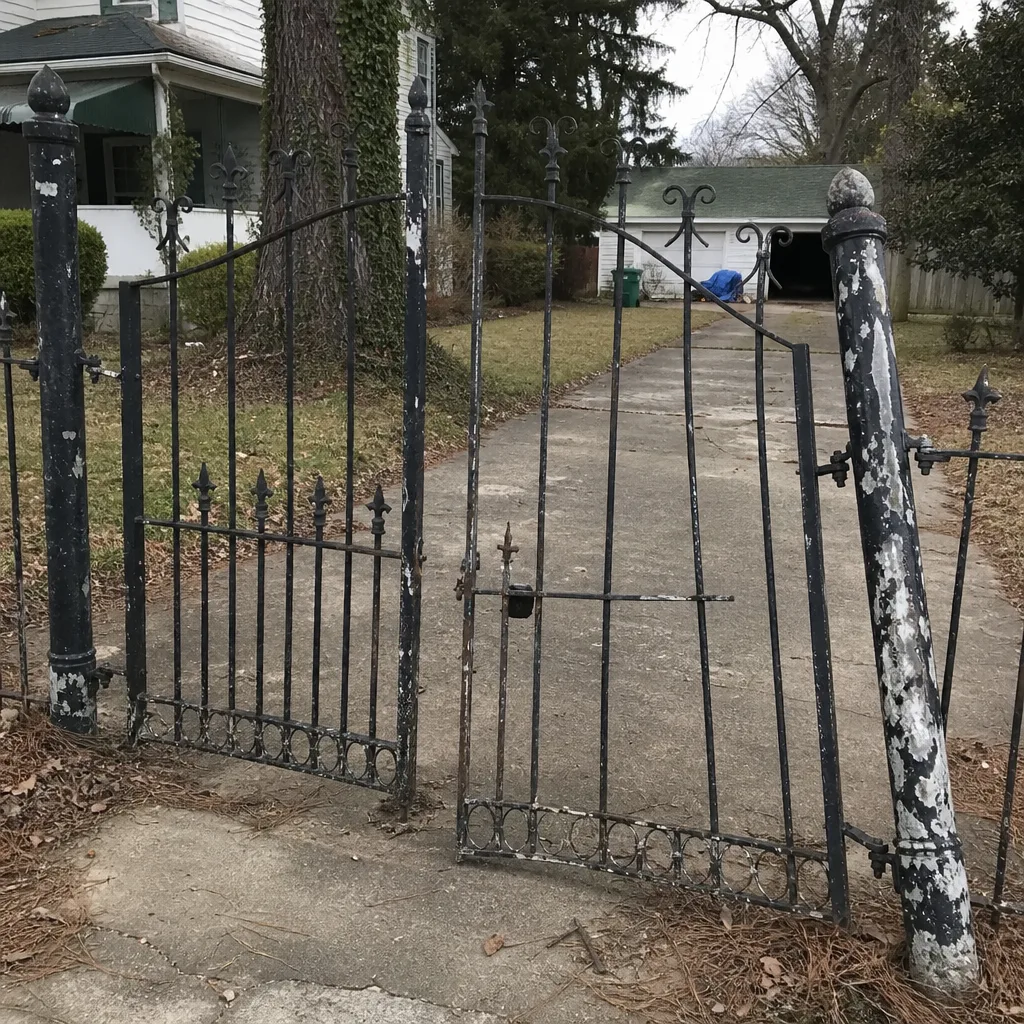
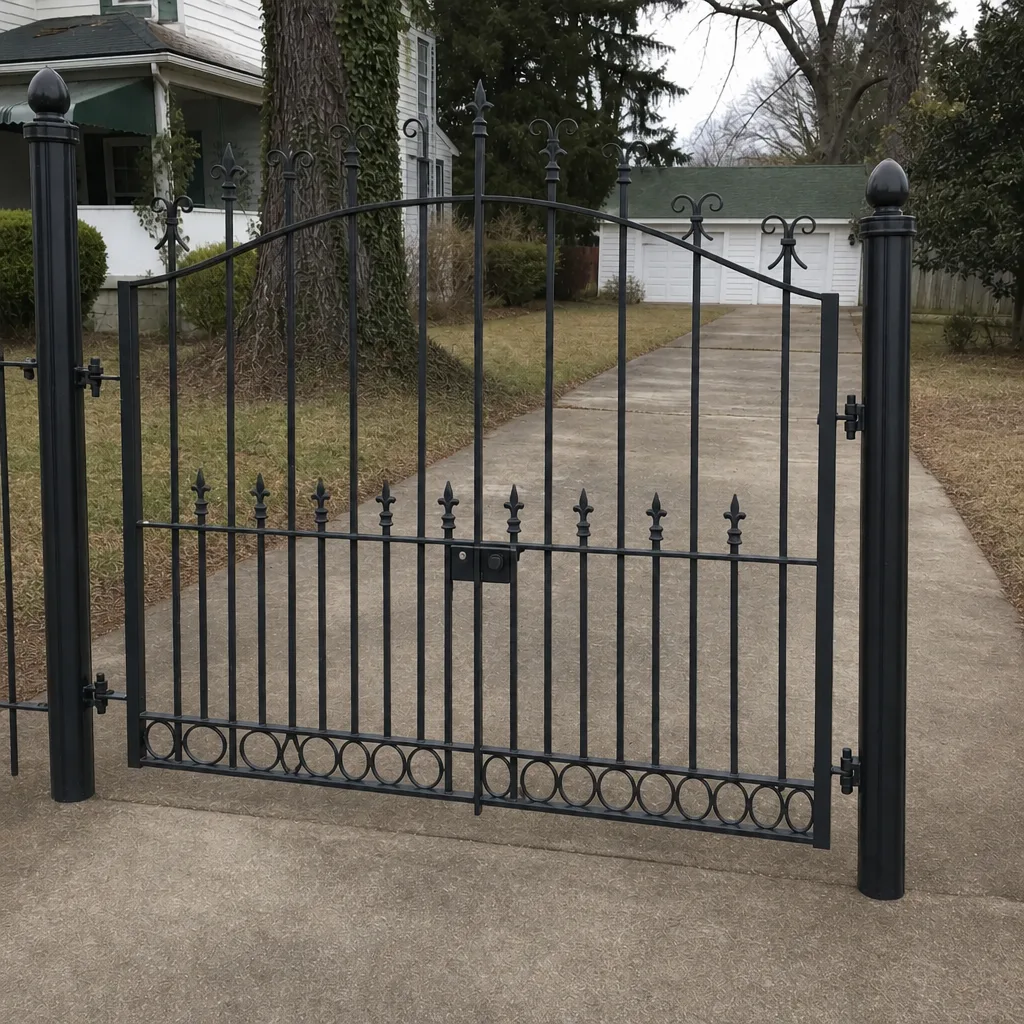
See the difference
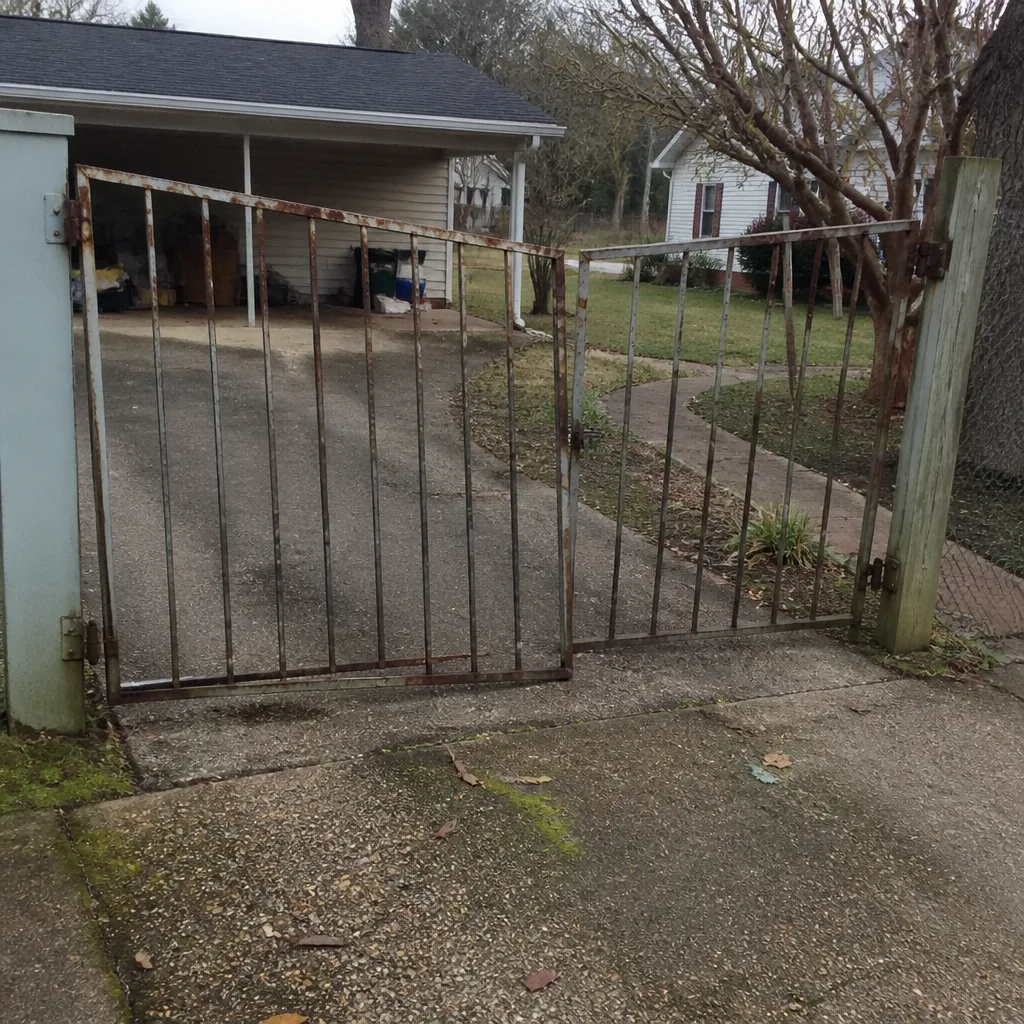 Before
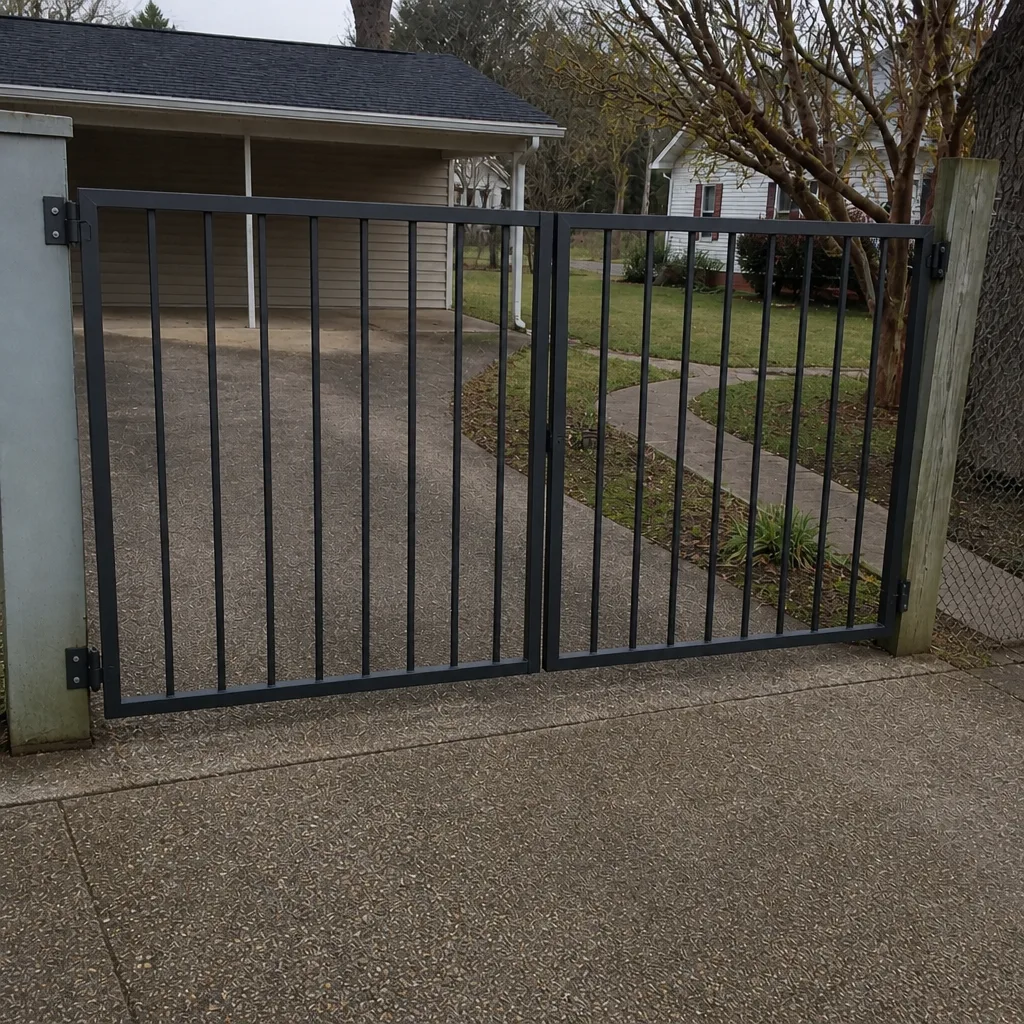 After
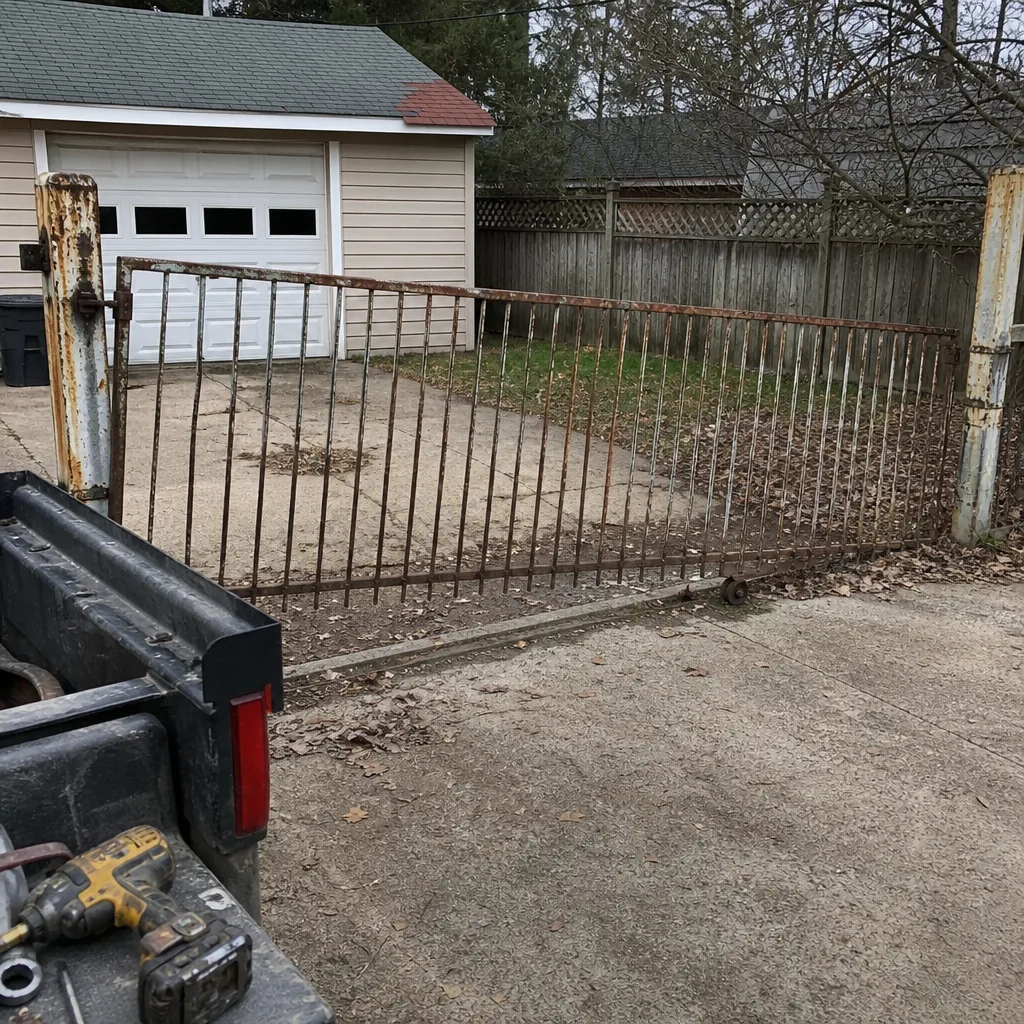 Before
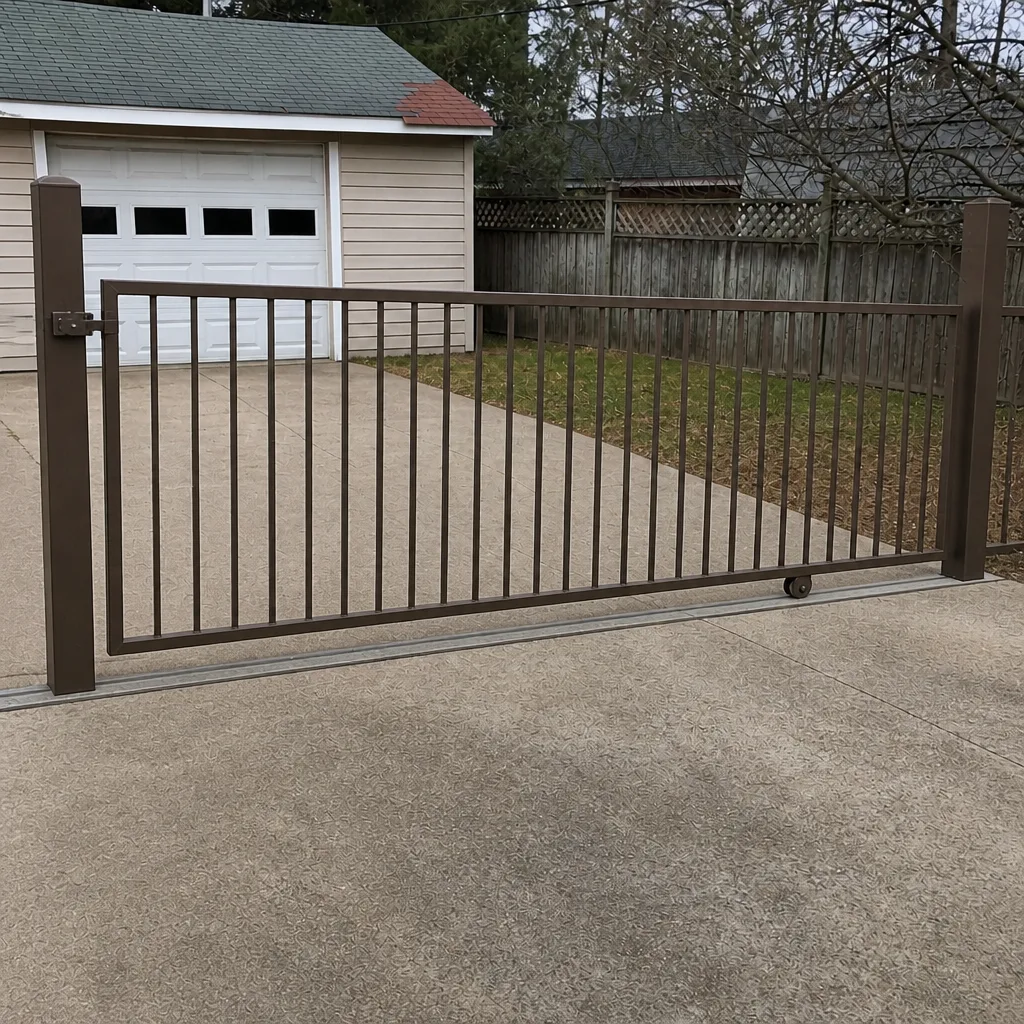 After
 Before
 After