
Last updated November 15, 2026
 Wrought iron
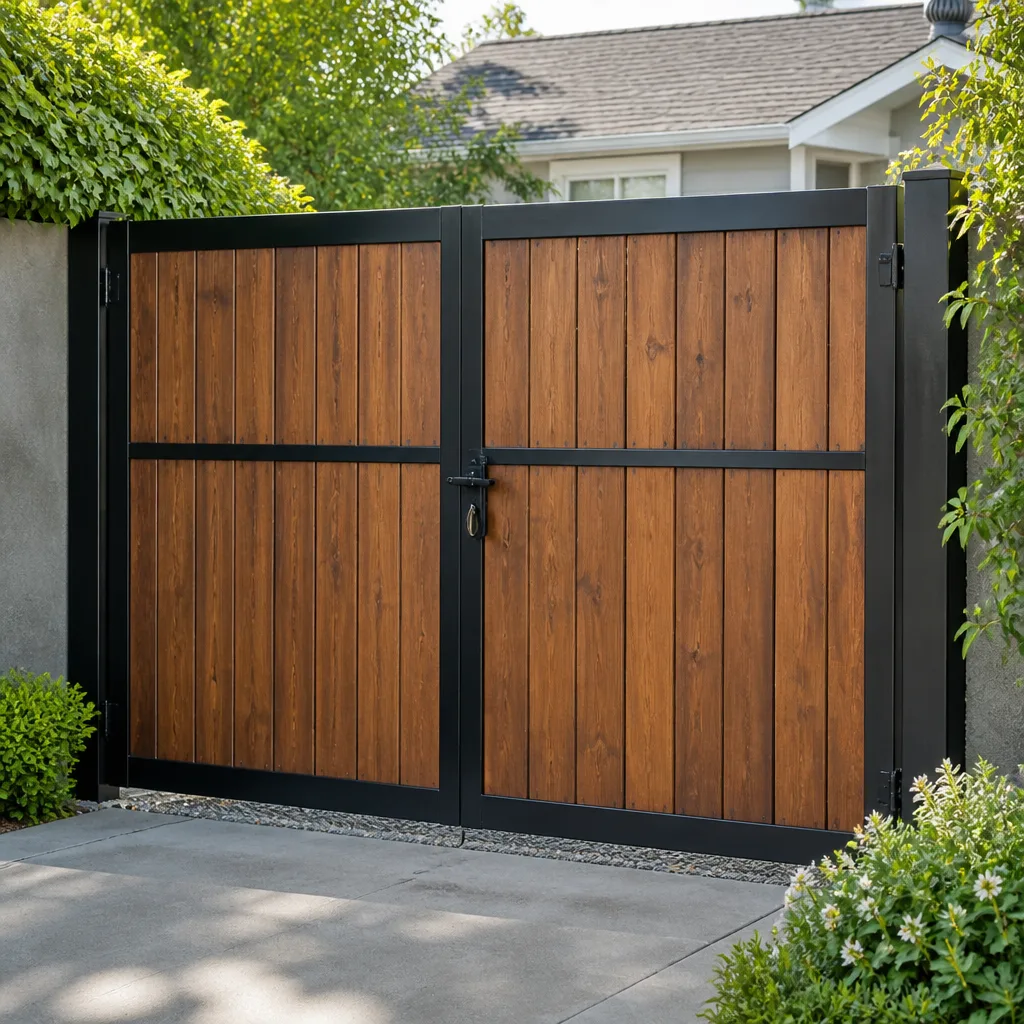 Wood & steel frame
 Farm & ranch
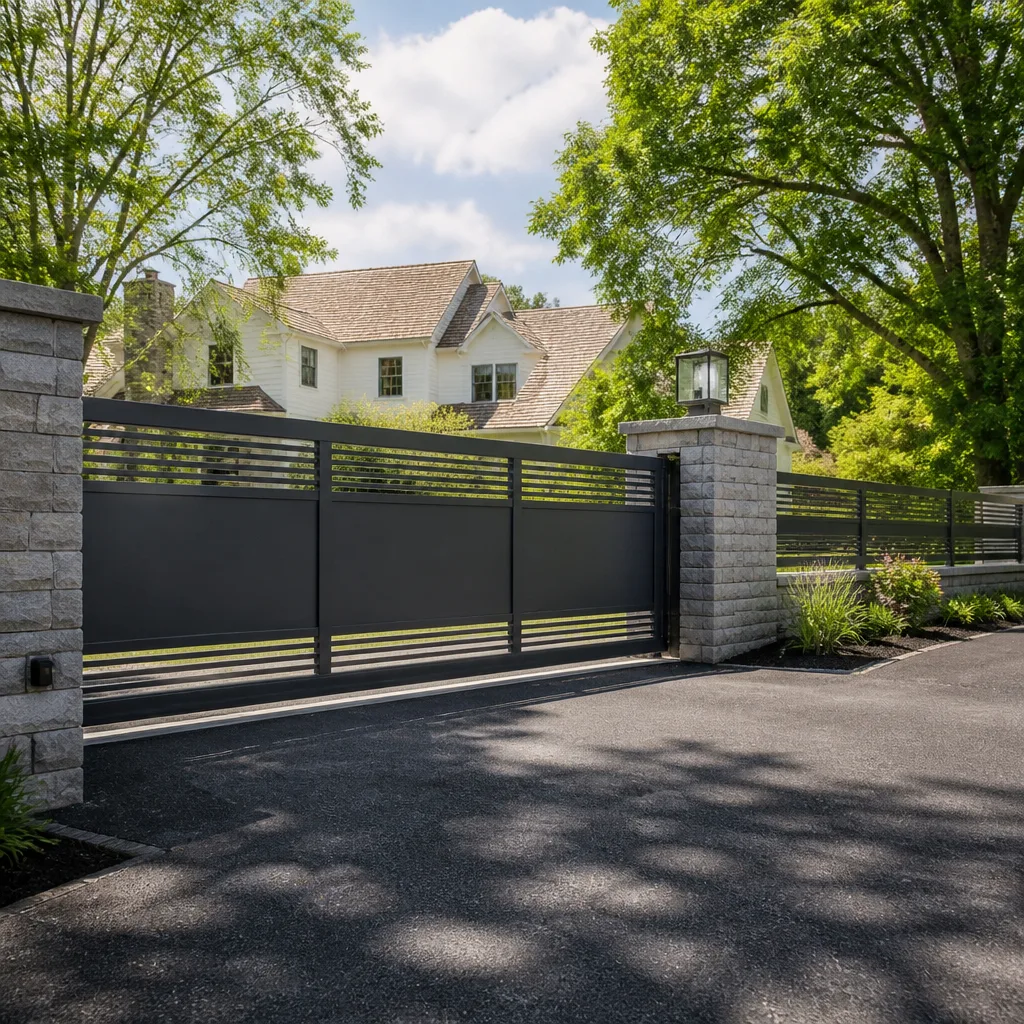 Sliding driveway gates
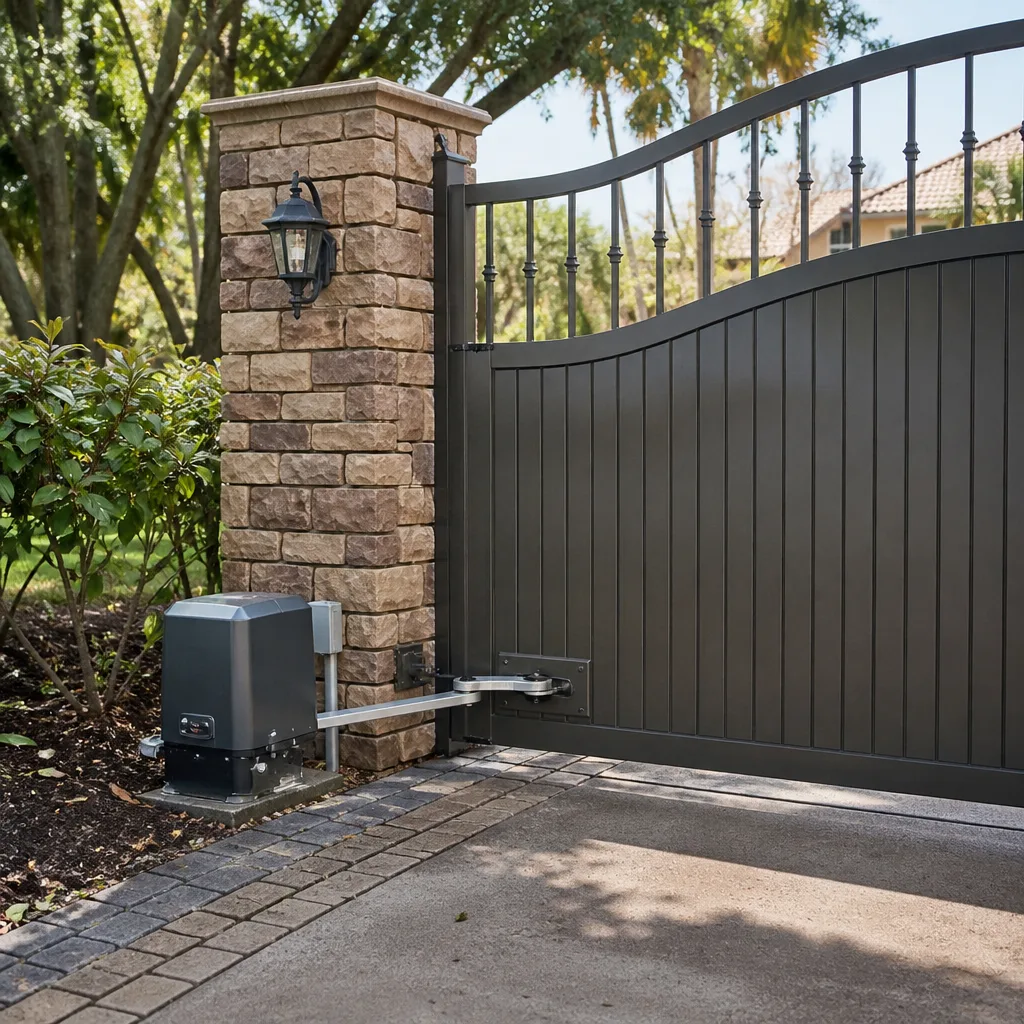 LiftMaster operators
Free on-site gate assessment - hinges, posts, and your LiftMaster or Nice gate operator checked before anything is quoted
The assessment is free and the quote is the invoice.
Get your free estimateGate Repair Permits, Codes & Inspections in Chesapeake, VA: What You Need to Know
Most gate work in Chesapeake doesn’t need a permit. New gate installations, structural changes, and electrical connections for an operator usually do. The confusion comes from the middle ground: repairing a hinge, swapping a motor, or replacing a control board. Homeowners often assume any work on a gate requires a trip to the city, while others assume none of it does. Both guesses are wrong. An unpermitted installation from a previous owner can surface during a home sale inspection, stall a closing, or force retroactive permitting on your dime. This guide breaks down which gate jobs in Chesapeake require permits, when they’re exempt, how Virginia’s electrical code applies to low-voltage operators, and what inspectors actually look for.
Quick Answer
Repairing an existing gate, replacing a motor, or swapping a control board or keypad in Chesapeake generally does not require a building permit. Installing a new automated gate, changing its structural footprint, altering fence lines, or running new electrical circuits typically does. Any permit-triggering work should be checked with the City of Chesapeake’s Development and Permits division before the job starts, and any electrical connection should be done by a licensed electrician per the Virginia Uniform Statewide Building Code.
Styles & brands we work with
- Wrought iron
- Wood & steel frame
- Farm & ranch
- Sliding driveway gates
- LiftMaster operators
Table of Contents
- Repair vs. Install: When a Chesapeake Permit Is Required
- How Virginia’s Electrical Code Applies to Gate Operators
- Easements, Setbacks, and Drainage in Chesapeake
- HOA Architectural Review: What Comes First?
- What If a Previous Owner Installed the Gate Without Permits?
- What Inspectors Actually Check
- The Permit and Inspection Process, Step by Step
- Insurance and Title Implications
Repair vs. Install: When a Chesapeake Permit Is Required
The single most important distinction in gate permitting is repai… versus replace or install. A repair that restores a gate to how it was originally built is a maintenance activity. A replacement or installation adds something new to the property, which is when the City of Chesapeake’s Development and Permits division gets involved. If you’re unsure which category your job falls into, the safe answer is to call and ask before work starts.
In practice, the permit triggers usually look like this:
- No permit typically required: hinging a sagging gate leaf, welding a broken frame joint, replacing a failed LiftMaster or Linear operator with a like-for-like unit, swapping a keypad or photo-eye sensor, replacing a control board, adjusting limit switches, or replacing a chain or track component on a rolling gate.
- Permit usually required: installing a new automated gate where none existed, replacing a swing gate with a slide gate, lengthening or widening a gate to change the driveway opening, running a new dedicated power circuit to an operator, or moving an existing gate to a new location.
- Permit always required: anything that alters the property line, changes fence height above the zoning threshold, or adds a structure within a recorded easement.
We work on the brand you already have, so a repair to a FAAC or BFT system is usually just a repair. But if the work crosses into replacement, the permit side is worth checking first. The gate repair side of the job is where most Chesapeake calls actually land. If your technician recommends replacement, ask them to clarify in writing whether the scope crosses a permitting threshold.
How Virginia’s Electrical Code Applies to Gate Operators
Virginia follows the Uniform Statewide Building Code (USBC), which adopts the Virginia Residential Code for one- and two-family homes and the Virginia Construction Code for light commercial work. Gate operators run on low voltage from a control board, but the circuit feeding that control board is line voltage. That’s where inspectors focus. The operator itself doesn’t need a permit; the electrical connection that powers it does, and it needs to be done by a licensed electrician.
When a gate operator is installed new or rewired in Chesapeake, an electrical inspector will typically look at:
- Dedicated circuit and disconnect. The operator should be on its own circuit with a means of disconnect within sight of the gate, so nobody can energize the motor while someone is working on it.
- Grounding and bonding. Metal gate frames and posts must be bonded properly, especially on commercial and HOA properties where several operators share a service.
- Photo-eye and safety edge. Reversing sensors and safety edges need to be wired so that a break in the beam or a strike on the edge stops and reverses the gate. Inspectors check that reversing works, not just that it’s installed.
- Loop detectors and keypads. Vehicle loops, card readers, and DoorKing entry systems must be wired per the manufacturer’s instructions and the code that governs the site.
- Conduit and burial depth. Wiring from the house or panel to the operator runs in conduit, and buried conduit has a minimum depth. A retrofit job that trenches through a driveway without the right depth or conduit is the most common electrical correction we see on installed gates.
None of this is a job for a general handyman. The connecting of new electrical service to a gate operator is licensed electrical work in Virginia. Our scope covers the operator, control board, keypad, and sensors; the electrician runs the circuit. If a Chesapeake inspector flags an installation, the correction usually involves the electrician and the gate technician together.
Easements, Setbacks, and Drainage in Chesapeake
Chesapeake’s older subdivisions carry a lot of recorded utility and drainage easements, and they run through front yards where a driveway gate would naturally sit. A gate post that lands inside an easement is the problem case. Utility crews have a legal right to access an easement, and they aren’t required to preserve anything built in their path. If a gate, post, or footing sits inside a recorded easement, the city can require it to be relocated at the property owner’s cost.
A few Chesapeake-specific things to know before you place a new gate:
- Check the plat first. The recorded plat for your lot shows utility, drainage, and access easements. Any new gate, post, or footing should sit outside those boundaries, not straddling them.
- Drainage matters in flat and low-lying neighborhoods. Chesapeake has plenty of areas where water pools after a heavy rain. A gate footing placed in a drainage swale can redirect water toward a neighbor’s slab or garage. That’s a drainage complaint the city will investigate.
- Setback from the right-of-way. Gates near the street need to be set back from the right-of-way line so a vehicle can sit off the roadway while the gate opens. This is both a code issue and a practical one; a gate that swings into the public right-of-way is a hazard.
- Corner lots and sight lines. On corner lots, gates and pillars can’t block sight lines at the intersection. This is a common review point.
The City of Chesapeake reviews gate placement during permitting, but the plat check is something you can do up front. Bring the plat to the estimate. When we size and quote an electric gate repair or a new install, knowing the easement lines avoids the worst-case outcome: tearing out a finished gate because it sits in the wrong place.
HOA Architectural Review: What Comes First?
In Chesapeake subdivisions with a homeowners association, architectural review approval almost always comes before the city permit. HOAs control appearance, materials, color, height, and sometimes the operator type. The city controls code compliance, structural safety, and electrical. Both can say no. The HOA typically has to say yes first.
The reason order matters is practical. If you apply to the city for a permit and the HOA later rejects the design, you’ve paid for a permit on a gate you can’t build. If you get HOA approval first and submit that approval packet with the city permit application, the process moves faster and the inspector’s plan reviewer knows the design already has neighborhood sign-off.
A typical HOA-then-city sequence for a new gate:
- Submit to HOA architectural review. Include drawings, materials, color, height, and the operator brand and model. Some HOAs require a sample finish.
- Receive written HOA approval. Keep the letter; you’ll attach it to the permit submission.
- Apply for the city permit if the work triggers one (new install, replacement, electrical).
- Schedule inspections. Post, footing, and electrical are the usual checkpoints.
- Close out the permit after final inspection.
For HOAs and property managers in Chesapeake, this is the flow we see on shared-entry gates at community entrances: the association’s board approves the operator swap, the city permits the new circuit, and the operator goes in once both are cleared. For a repair to an existing gate, none of this applies unless the repair changes the appearance or footprint.
What If a Previous Owner Installed the Gate Without Permits?
Unpermitted gates are more common than most Chesapeake homeowners realize, especially on properties that changed hands in the last decade. A previous owner’s contractor installed a gate without pulling a permit. The work is fine; the paperwork doesn’t exist. When you buy the house or sell it, the gate becomes a problem. During a home sale inspection, an unpermitted structure can hold up the closing, and a buyer’s lender may require it to be permitted or removed before funding.
If you’ve just discovered an unpermitted gate on a property you own or are about to sell, here’s what usually needs to happen:
- Ask the city what the gate’s permit status is. City of Chesapeake Development and Permits can confirm whether a permit was ever pulled for a gate, fence, or electrical work at your address.
- Figure out what the gate actually is. A licensed technician can document the operator brand, model, wiring, and placement. That’s the information the city needs to evaluate whether retroactive permitting is feasible.
- Apply for retroactive permitting. This is the normal path when the gate meets current code. It’s not cheap, but it’s usually less expensive than removal.
- Correct what doesn’t meet code. Bad conduit burial, no disconnect, missing safety edges, or an easement encroachment will each need to be fixed as part of the retroactive permit.
- Get a final inspection and a permit record. That’s the document that closes the issue for future sales.
If you’re currently getting Gate Repair Chesapeake work done on an inherited gate, ask your technician to note anything that looks unpermitted. We see it often on Mighty Mule and Ghost Controls operators installed by a previous owner as a weekend project, and the electrical side is almost always where the corrections happen.
What Inspectors Actually Check
Chesapeake inspectors work from the approved plans, not from what the gate looks like on the day. That means the plan has to show what’s actually built. The most common corrections we see on a new gate or significant repair involve the electrical and structural details inspectors can verify quickly, without any ambiguity.
When an inspector comes out for a permitted gate job, they’re checking:
- Post footings. Depth and diameter as designed, with the post set and cured, not still drying.
- Gate clearance and swing. The gate doesn’t swing into the right-of-way, doesn’t hit the fence line, and doesn’t obstruct an easement.
- Electrical disconnect. Located, labeled, and functional.
- Reversing safety. Photo-eye break reverses the gate. A safety edge strike reverses the gate. Obstruction on travel reverses the gate.
- Operator grounding. Included on the installation, visible at final.
- Manufacturer compliance. The operator matches the approved submittal, and it’s installed per the manufacturer’s instructions. A BFT operator approved on plan can’t be swapped for a different unit without plan revision.
- Signage. Commercial and HOA gates require the warning signage the manufacturer specifies.
An inspector’s job is compliance, not repair. Most corrections are minor and can be fixed the same week, but each one is a callback. That’s why we inspect the installation against the approved plans before we schedule the final.
The Permit and Inspection Process, Step by Step
For a new gate installation or a replacement that triggers permitting, the Chesapeake process tends to follow this sequence. Timelines vary, but the order doesn’t. Skipping a step, or doing two in the wrong order, causes more delay than doing them properly the first time.
- Confirm HOA approval first. If your neighborhood has an HOA architectural review process, complete it before anything else.
- Check the plat for easements. Verify no post, gate, or footing lands inside a utility or drainage easement.
- Get a written scope and drawing. The plan reviewer needs a drawing showing dimensions, operator brand and model, post locations, footing detail, and electrical plan.
- Submit the permit application to the City of Chesapeake’s Development and Permits division. Include the HOA approval if applicable.
- Schedule the electrical rough-in inspection after the electrician has run the circuit and before concealment.
- Schedule the footing and post inspection once the posts are set.
- Complete the installation after the rough inspections pass. Fit the operator, wire the sensors, and test reversing.
- Request the final inspection. Close out the permit and keep the record with your property documents.
A repair that doesn’t trigger permitting goes straight to scheduling. In Chesapeake, that’s most of the calls we get. Electric gate stopped working? That’s a technician visit, not a permit application. The permitting path is for the jobs that add or change the gate.
Insurance and Title Implications
A permitted gate isn’t just about avoiding a code violation. It’s about what happens when you need your homeowner’s insurance to cover damage, or when you sell the property. An unpermitted structure can complicate both.
On the insurance side, an insurer that discovers an unpermitted gate during a claim may exclude the gate itself from coverage, or, in the case of a serious liability dispute involving the automated gate, could question whether the property was maintained in a safe, code-compliant condition. That second outcome is rare, but it’s uncomfortable when it happens. Getting the permit in place before the claim closes the question.
On the title side, a buyer’s inspection during a home sale can flag an unpermitted gate, fence, or electrical circuit. That becomes a negotiation item: the seller retroactively permits the gate, removes it, or credits the buyer to permit it themselves. Either way, an unpermitted structure costs the party that has to correct it. If the gate sits in an easement, the correction can mean relocating the gate entirely, which is the worst version of the scenario.
For HOA boards and property managers in Chesapeake, the same logic applies at the community level. Shared-entry gates without permit records complicate resale disclosures for every unit in the community. Keeping permit records on file for community gates is standard practice for a reason.
Common Mistakes to Avoid
- Assuming every gate repair needs a permit. It usually doesn’t. Replacing a control board or a sensor on an existing LiftMaster or FAAC operator is maintenance, and pulling a permit for it wastes time and money. Call the city and confirm the scope before assuming either way.
- Applying for the city permit before the HOA approval. Chesapeake HOAs review appearance and materials first; the city reviews code compliance. Doing the city side first risks a permit on a design that gets rejected by the neighborhood.
- Ignoring the plat. Driveway gates that land inside a utility or drainage easement are the single most expensive correction we see. Pull the recorded plat before the gate is placed. On Chesapeake’s flatter lots, drainage easements through the front yard are especially easy to miss.
- Letting the electrician run the circuit without matching the approved operator. If the plan approves a specific operator model, the circuit, disconnect, and wiring need to match that model. A last-minute swap triggers a plan revision and a delay.
- Skipping the reversing safety check before final inspection. Photo-eyes and safety edges need to actually reverse the gate, not just be installed. Inspectors test them, and a failed test means a callback.
- Buying a home without checking the gate’s permit history. During due diligence, ask the city whether a permit exists for the gate, the fence, and any electrical circuit to the gate. It’s a two-minute check that catches an expensive surprise.
- Assuming a previous owner’s gate is grandfathered. Grandfathering applies to certain code standards, not to permit records. An unpermitted gate remains unpermitted regardless of when it was installed.
See the difference
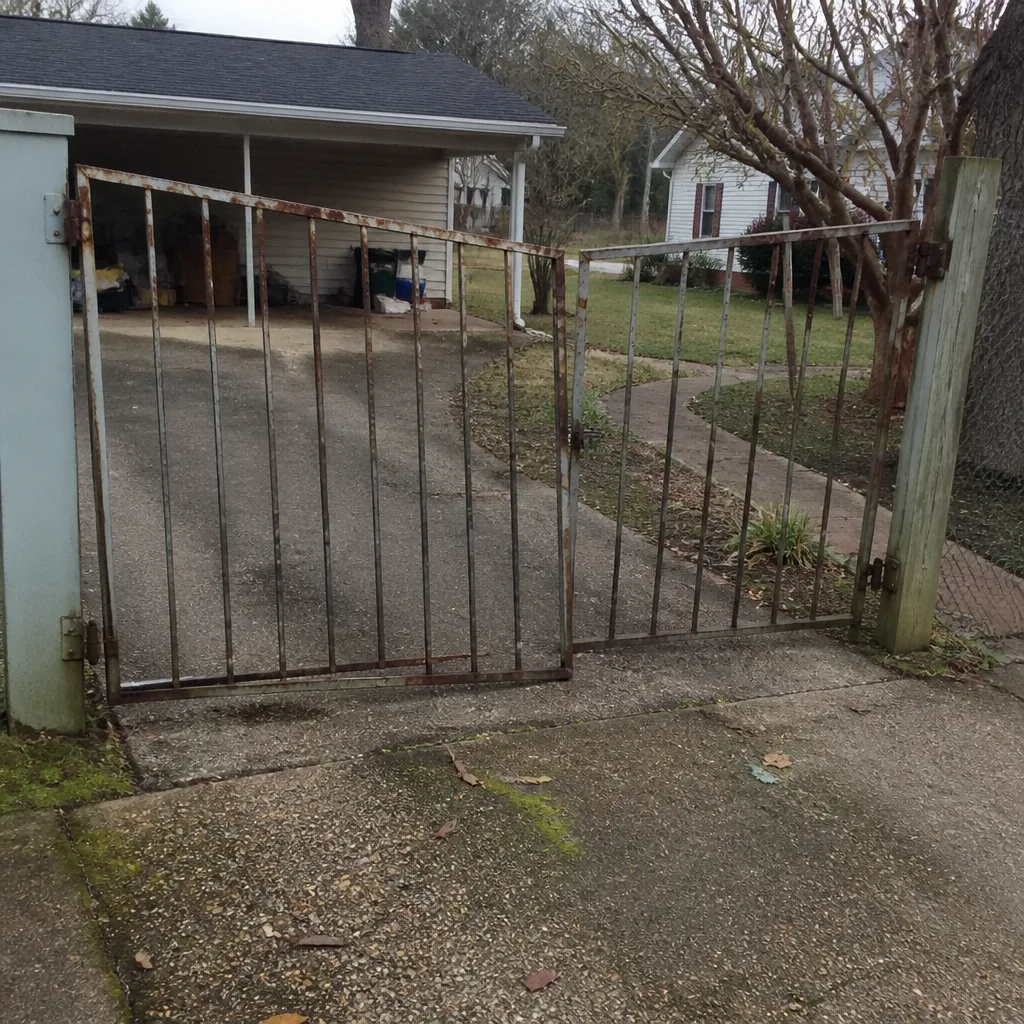 Before
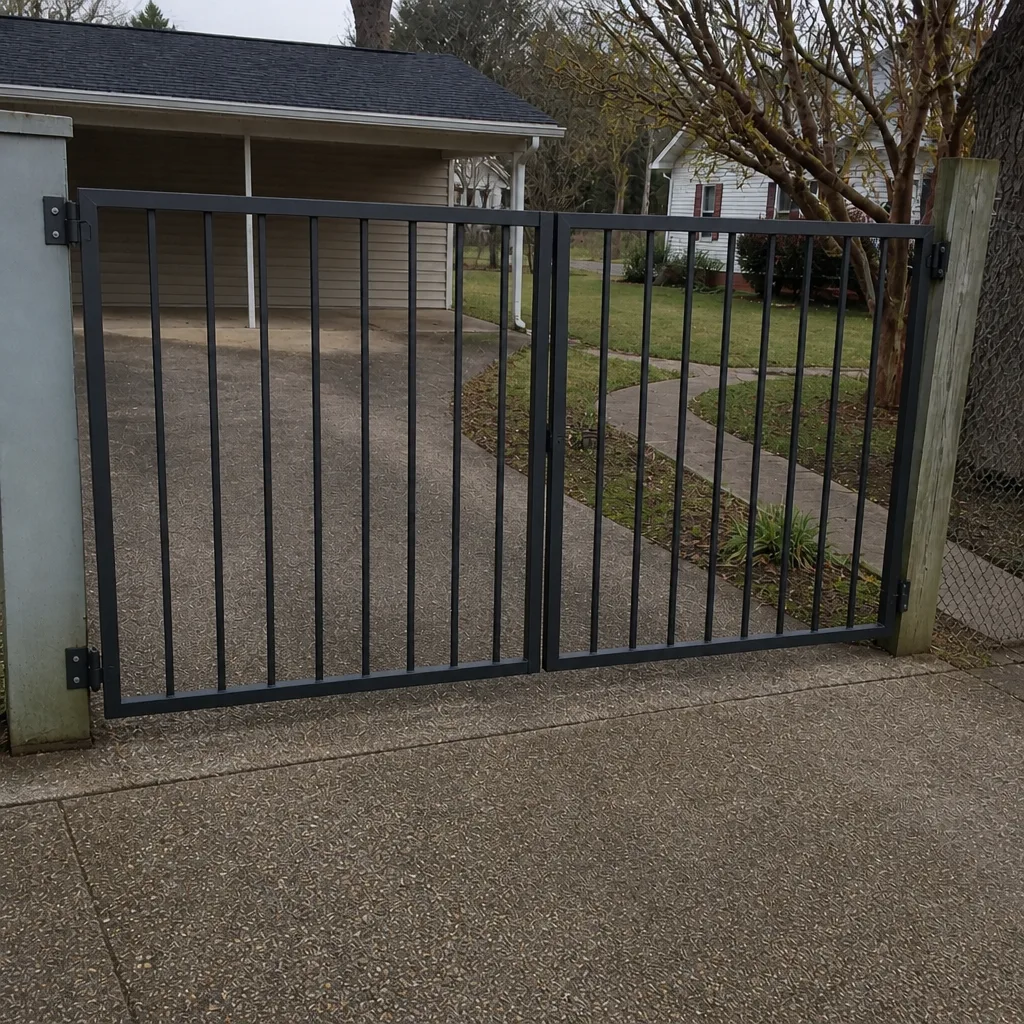 After
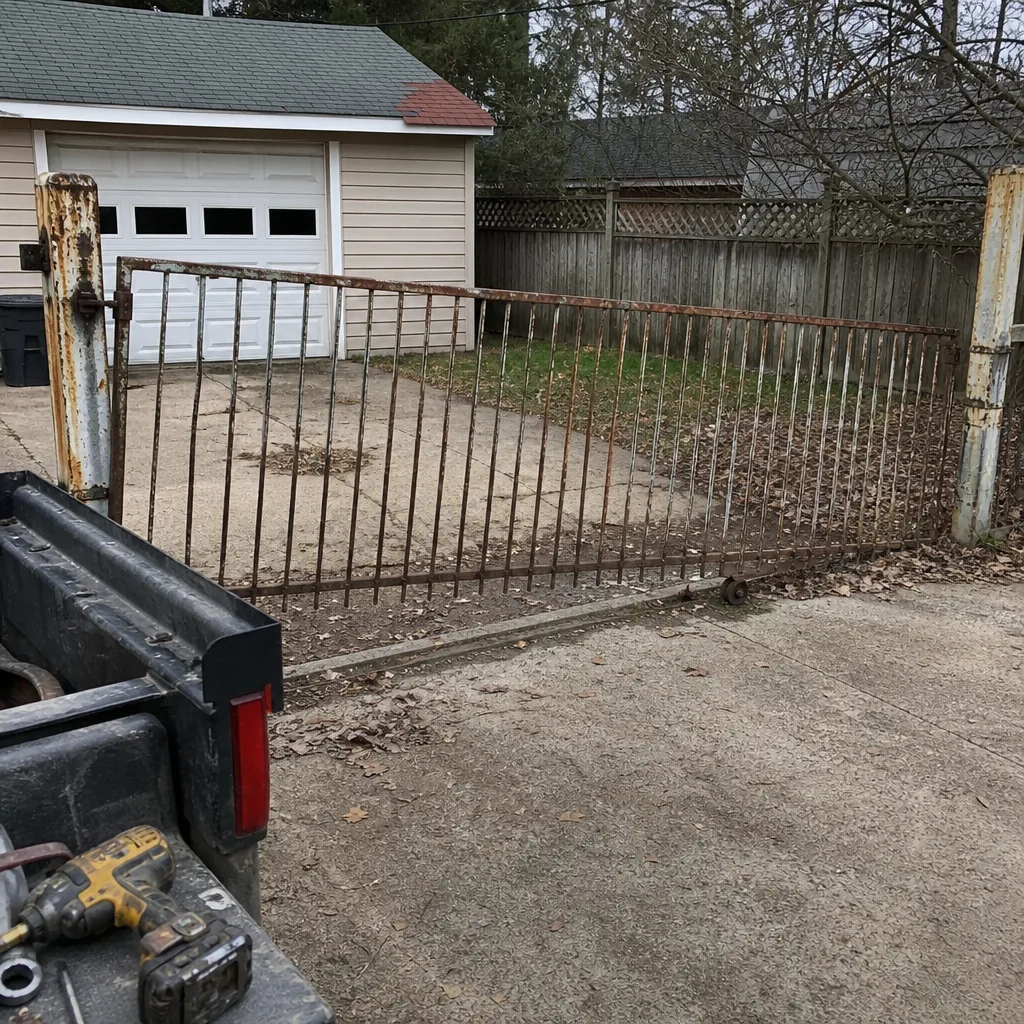 Before
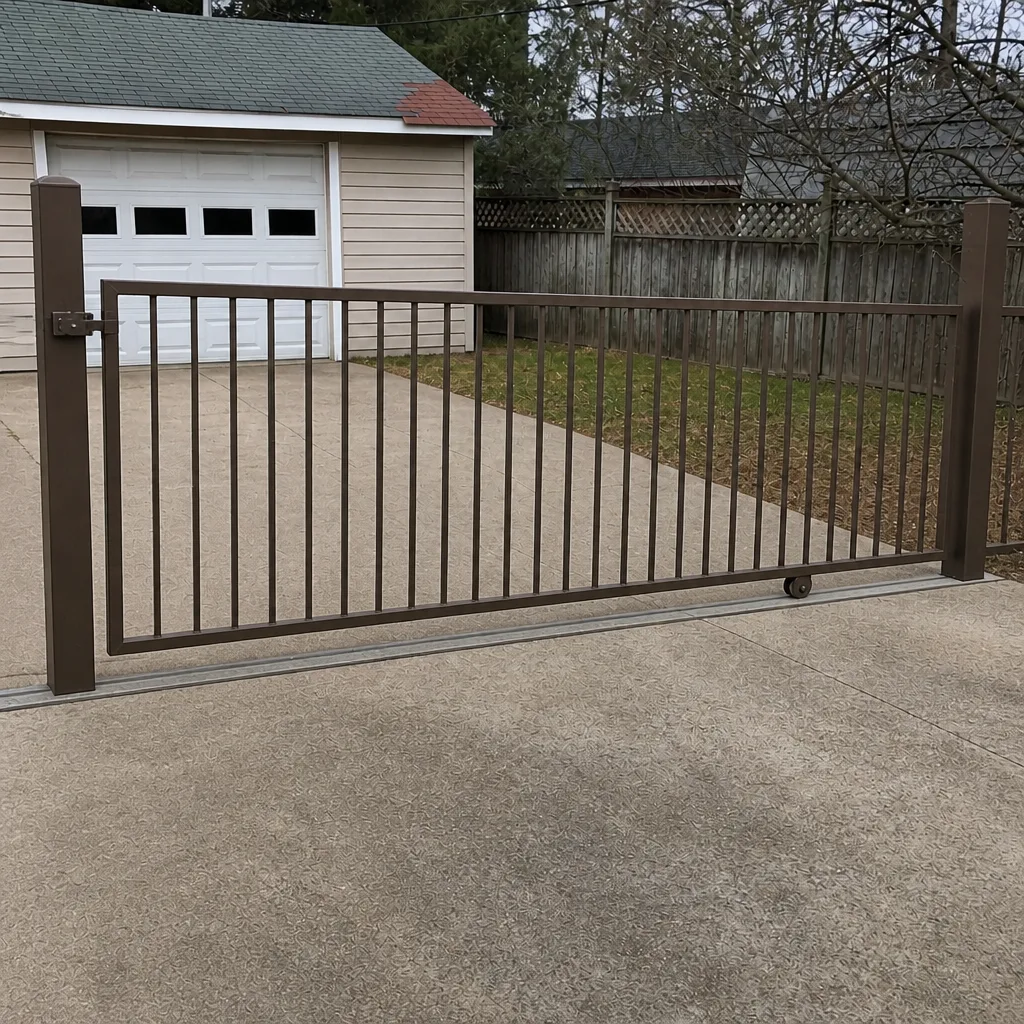 After
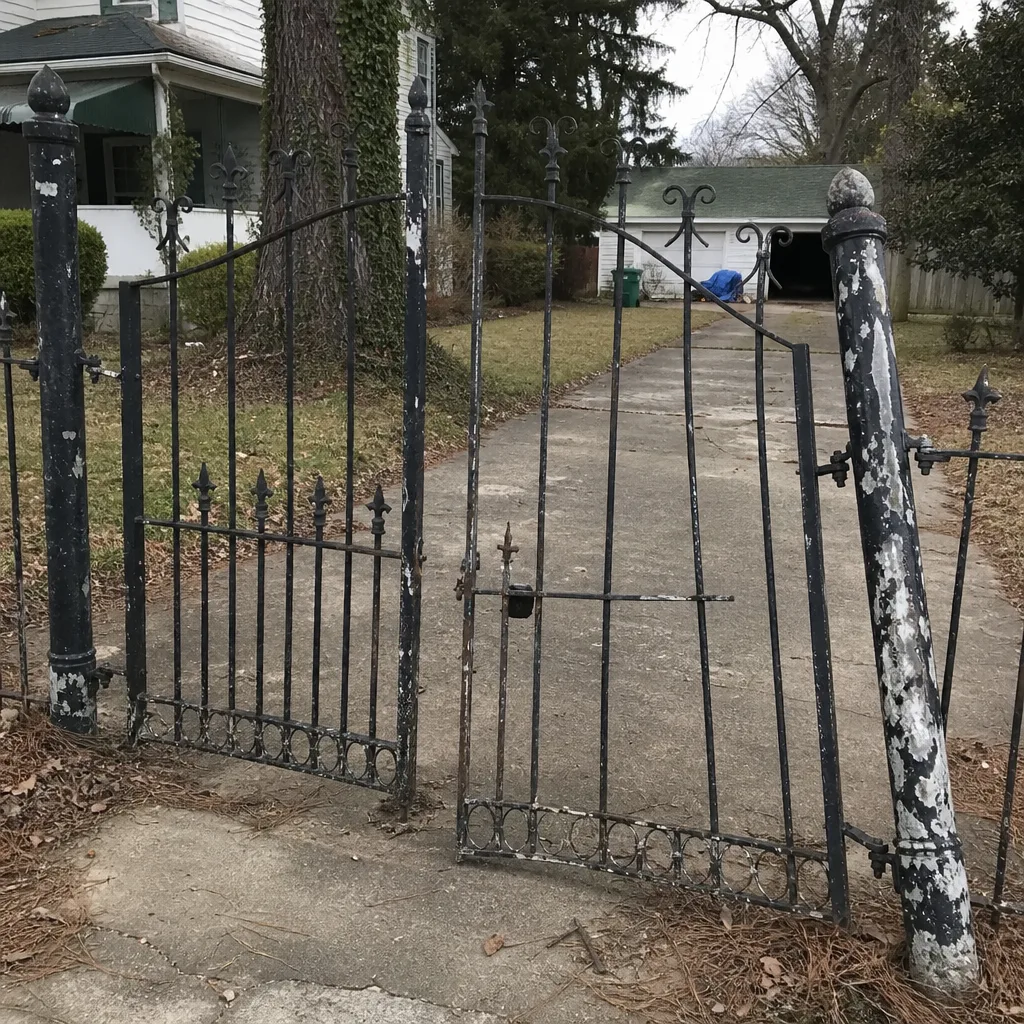 Before
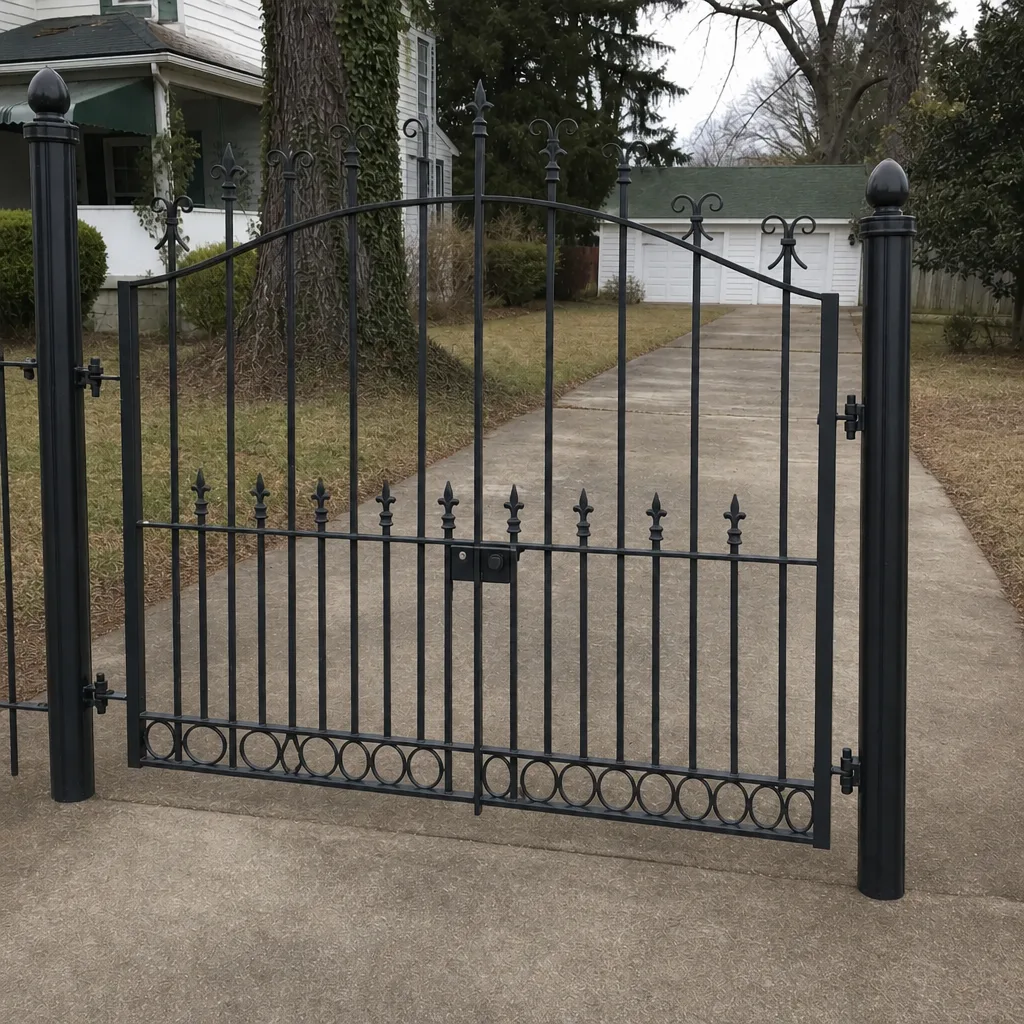 After
When to Call a Professional
Call a licensed gate technician when an automated gate stops working, when a manual gate binds or sags, or when you’re planning a new installation and want to know what’s actually feasible before you talk to the city. Call before the permit application, on an inherited gate you’re unsure about, and on any job that touches the electrical side of an operator. The technician’s documentation of the equipment on site is what the permit office will want. Gate Repair Chesapeake offers free estimates in Chesapeake. Call (833) 323-1302. We answer 24/7. Fast dispatch from 7am to 7pm, Sunday through Friday. Our technicians have up to 13 years of experience across motors, control boards, keypads, sensors, and full installations.
Frequently Asked Questions
No, replacing a gate motor with a like-for-like unit is a repair and generally doesn’t require a permit in Chesapeake. If the replacement changes the operator type or requires a new electrical circuit, then a permit is typically required for the electrical side. Call (833) 323-1302 for an exact quote on the repair; estimates are free.
The low-voltage section of the operator doesn’t often require a permit, but the line-voltage circuit feeding it does, and that section is licensed electrical work under the Virginia Uniform Statewide Building Code. A licensed electrician pulls the electrical permit and runs the circuit; a gate technician connects the operator and its sensors. Call (833) 323-1302 if you’re unsure which side your job needs.
A buyer’s inspection can flag the gate, and the closing may stall until it’s permitted, removed, or credited to the buyer. The normal fix is retroactive permitting with the City of Chesapeake, plus correction of any code issues the inspector finds. Call (833) 323-1302 if you need documentation of the gate’s equipment before applying.
HOA architectural review comes first. The city permit application is stronger with HOA approval attached, and pulling a city permit before HOA approval risks spending on a design that later gets rejected by the neighborhood board. Call (833) 323-1302 if you need a written scope and drawing for either application; estimates are free.
No. Utility and drainage easements on the recorded plat give the easement holder legal access, and a gate, post, or footing inside one can be required to be removed at the owner’s cost. Check the plat before placing the gate. Call (833) 323-1302 if you want a technician to review the placement before the install.
We work on the brand you already have, with training across LiftMaster, FAAC, BFT, Linear, Viking, Ghost Controls, DoorKing, Elite, and Mighty Mule, spanning residential and light-commercial systems. A written scope from our team is what a permit reviewer needs to evaluate the install. Call (833) 323-1302 for a free estimate in Chesapeake.
The Bottom Line
Most gate repair work in Chesapeake doesn’t need a permit. Installations, structural changes, and new electrical circuits do, and skipping the paperwork shows up at home sale, at insurance claim time, and during retroactive permitting. Pull the plat before placement. Get HOA approval before the city permit. Match the electrician’s work to the approved operator. Keep the final inspection record with the property. If you’re repairing an existing gate, none of this is in the way. If you’re installing or replacing, one call covers the whole job from diagnosis through the final inspection. The rest of it, you can leave to the paperwork.
Call (833) 323-1302 for a free estimate. We answer 24/7. Fast dispatch from 7am to 7pm, Sunday through Friday. From Mighty Mule to FAAC, residential to commercial, one call covers the whole job.
Written by the team at Gate Repair Chesapeake.